
 ~13 min
Tailoring in Midnight still fills the same broad role it had before, but the profession is a little easier to manage because some of the extra clutter has been removed. It remains one of the more flexible crafting professions, covering cloth armor, bags, spellthread, embellishments, processed cloth materials, profession gear, and House Decor recipes. That wide recipe spread is the main reason Tailoring keeps its value throughout the expansion: even if one market slows down, the profession can still pivot into several other recipe lanes.
The important part is not trying to do everything at once. Tailoring rewards a focused start much more than a scattered one, because your early Knowledge Point choices shape whether you become better at armor crafting, bolt production, cloth farming, or broader all-around crafting support. The profession works fine as a generalist later on, but the first stretch is usually smoother when you pick a practical direction and build around it.
How Midnight Tailoring Fits Into the Expansion
Tailoring is one of the few professions that can serve multiple very different goals without changing its identity. You can use it to make cloth gear for your own character, build around support crafts like spellthread and bags, or treat it more like a materials profession centered on cloth conversion and bolts. Because of that, Tailoring can function as either a self-sufficiency profession or a market-driven one, depending on how you invest in it.
That flexibility is especially useful in Midnight. Cloth armor gives Tailoring direct gearing relevance, spellthread and embellishments create support demand, and bags remain one of the profession’s most recognizable utility crafts. At the same time, material-oriented builds can still work because processed cloth and bolts feed into a large part of the recipe pool. This is why Tailoring is rarely just “a cloth armor profession” in practice. It touches multiple parts of the crafting economy at once.
What Tailoring Actually Crafts in Midnight
Midnight Tailoring supports several different recipe categories, and understanding that full spread is important before you decide how to spend your early points. The profession is much broader than just robes and cloth bracers.
- Cloth armor for crafted gear progression;
- Bolts and processed cloth materials that feed into many other recipes;
- Bags and inventory utility crafts;
- Spellthread and other support-style recipe lines;
- Embellishments and optional reagents;
- Profession equipment for crafters;
- House Decor and renown-gated recipes.
This matters because Tailoring does not need one single market to stay useful. If cloth armor becomes less interesting for your server or your character, there are still support recipes and processing-based paths that can carry the profession. That is one of the biggest practical strengths of Tailoring compared to more narrowly focused professions.
What Changed for Tailoring in Midnight
Most of Tailoring still works the way experienced crafters would expect, but a few Midnight system changes make the profession cleaner and more straightforward.
Tailoring Uses Its Own Moxie
Midnight replaces the old shared profession-currency model with a Tailoring-specific currency: Artisan Tailor’s Moxie. That means Tailoring progression is more self-contained than before. Instead of one cross-profession currency feeding multiple systems, your Moxie now stays tied to Tailoring-related purchases and progression.
In practical terms, that makes profession planning a bit easier. If you are spending Tailoring currency, it is going back into Tailoring rather than being pulled in several different directions.
Only Two Material Qualities
Tailoring reagents and consumable-style materials now use only Silver and Gold quality. This cuts down on profession clutter and makes quality planning easier than older three-rank systems. It also means your material management is a little more direct when you are trying to decide what is worth crafting and where Concentration matters most.
No More Unraveling Step
The older unraveling process has been removed. You no longer need to run cloth through that extra intermediate step before getting into your actual recipe flow. This does not completely change the profession, but it does make Tailoring feel less padded and easier to move through, especially if you are leveling or trying to process a large amount of cloth efficiently.
Core Materials You Will Use Most
Tailoring is different from professions like Herbalism or Mining because its base materials come primarily from drops rather than profession nodes. In Midnight, that means your cloth usually comes from humanoid enemies or the Auction House. This has two big consequences. First, Tailoring can become more expensive when cloth prices rise. Second, cloth farming and market timing matter more here than they do for many other professions.
Raw cloth is only the start of the material loop. Tailoring also relies on processed cloth materials and bolts, which become central to many of the profession’s later crafts. This is why some Tailoring builds feel more like material-processing paths than traditional end-product crafting routes. In those builds, the goal is not simply to turn cloth into gear. The goal is to turn cloth into the right intermediate materials efficiently, then use those materials to support stronger crafts later on.
That material structure is also why Tailoring can feel deceptively expensive at first. You are not only paying for the cloth that drops or that you buy. You are also paying for the way that cloth gets converted through bolts and processed materials into more advanced recipes. If cloth is cheap, the profession becomes much easier to develop. If cloth is expensive, your early decisions matter much more, because waste gets punished quickly.
How to Level Tailoring Without Burning Gold for Nothing
Tailoring leveling in Midnight is not really about finding one magical item to spam all the way through. The more efficient approach is to use first-craft value where possible, choose crafts that still support later progression, and avoid overcommitting to recipes that only solve a short-term skill gap. Because the profession branches into several different recipe categories, it is easy to lose materials if you craft too many dead-end items too early.
The best leveling logic is to keep your long-term goal in mind while you level. If you want cloth armor later, it makes sense to favor leveling paths that keep you moving toward that part of the profession. If you care more about bolts, farming, or support crafts, then your leveling choices should lean into those systems instead. Tailoring is much smoother when the leveling route and the build plan are supporting each other rather than fighting for different materials.
Practical Leveling Rules
- Use first-craft bonuses wherever they are available and worthwhile;
- Try to craft items that still connect to later recipe value instead of pure filler;
- Watch cloth prices before mass crafting large batches of anything;
- Do not lock into one narrow branch too early unless you already know that is your end goal;
- Remember that bolts and material-processing paths can be part of leveling logic, not just support systems.
That makes Tailoring feel a bit less linear than some other professions, but it also gives you more control. You are not forced into one exact route if your material prices or crafting priorities change.
Tailoring Specializations and What They Actually Do
Midnight Tailoring has four specialization trees, and they unlock over time at Tailoring skill levels 25, 50, 60, and 75. Together, these trees decide whether your Tailoring setup is focused more on end-product crafting, cloth processing, farming support, or broad stat coverage across the whole profession.
- Sin’dorei Finery;
- Nimble Needlework;
- Fabric Specialist;
- Fiber Arts.
Sin’dorei Finery
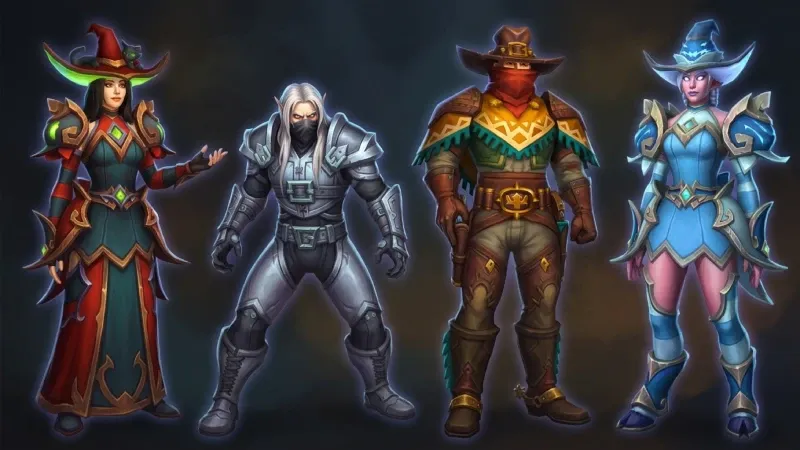
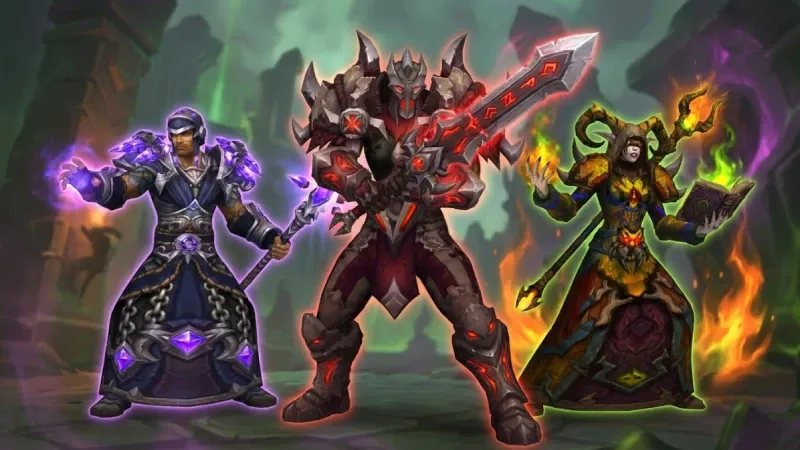
Sin’dorei Finery is the most direct armor-focused Tailoring tree. This is the path you look at first if your main goal is epic cloth armor recipes and the crafted gear side of the profession. It makes the most sense for players who want Tailoring to contribute directly to gearing rather than mostly supporting material conversion or farming efficiency.
Because this tree is so tied to crafted armor, it is also one of the clearest “identity” choices in Tailoring. If you know you want Tailoring for cloth gear crafts, Sin’dorei Finery is one of the most natural places to invest early. It gives the profession a very clear endgame direction instead of leaving it as a broad but unfocused utility profession.
Nimble Needlework
Nimble Needlework is a more varied recipe tree. It covers the daily bolt cooldowns, embellished cloth gear such as cloaks, bracers, and treads, and it also connects to rare cloth drops from mob farming. That gives it a very practical middle-ground role inside the profession.
This tree is useful if you want Tailoring to do more than one thing at once. It supports recipe access, some farming-related value, and key crafted outputs that are not limited to one simple category. Compared to a pure armor route, Nimble Needlework feels more flexible and can fit players who want Tailoring to operate as both a crafting and support profession.
Fabric Specialist
Fabric Specialist is the material-heavy side of Tailoring. It is built around improving cloth drop rates while farming and also includes some crafting stats. This makes it one of the strongest trees for players who want their profession to start earlier in the material chain instead of only at the finished-item stage.
That distinction matters a lot. A Fabric Specialist route is not only about getting more cloth. It is about making Tailoring’s entire material loop easier to sustain. If you are farming your own cloth regularly, or if your build relies heavily on bolt production and steady material flow, this tree becomes much more attractive than a simple gear-first route.
Fiber Arts
Fiber Arts is the broader stat-support tree for Tailoring. It gives a skill bonus for all Tailoring recipes and adds useful crafting stats, which makes it one of the most generally valuable trees once your main direction is already established.
It is not always the flashiest first pick, but it becomes increasingly important as your recipe spread grows. When you move beyond one narrow recipe lane and start caring more about overall profession performance, Fiber Arts helps tie the whole setup together. That makes it especially useful as a secondary or follow-up investment once your main recipe path is already underway.
Recommended Tailoring Build Paths
There is no single Tailoring build that fits every player, because the profession can be pulled toward several very different goals. The right build depends on whether you care more about cloth armor, bolts, farming cloth, or keeping a broad general-purpose setup.
Standard Build
The Standard Build is the most balanced direction. It is designed for players who want Tailoring to stay flexible instead of becoming extremely specialized too early. This route is useful when you are still learning the profession or when you want to keep several options open without overcommitting your first big chunk of Knowledge Points.
The value of a Standard Build is stability. Instead of trying to maximize one narrow market immediately, it gives you a broader base that can later pivot into armor, materials, or support crafts depending on what becomes more useful for your character or your server economy.
Bolt Crafting Build
The Bolt Crafting Build leans much more heavily into Tailoring’s material-processing side. This path makes sense if you want the profession to center around bolts and processed cloth instead of only final crafts. It is a stronger choice for players who understand that much of Tailoring’s later recipe value starts with how efficiently you handle cloth conversion.
This build is especially attractive when your Tailoring plan is tied to sustained production rather than one-off crafts. Bolts do not just exist as support materials. In many ways, they are what keep the whole profession moving.
Farming Build
The Farming Build is best if you want your Tailoring setup to start with better cloth generation rather than better final-item output. This route works well for players who farm mobs consistently and want Tailoring to feel stronger from the material side upward.
It is also one of the more practical paths if cloth prices are high, because stronger farming support makes the profession less dependent on buying everything from the Auction House. In that sense, this build is not only about efficiency. It also helps control the cost of progressing the profession itself.
Armor Crafting Build
The Armor Crafting Build is the cleanest path if your goal is epic cloth armor through Sin’dorei Finery. This build treats Tailoring primarily as a gear profession and pushes it toward crafted cloth pieces rather than support recipes or pure material flow.
That makes it the best fit for players who want Tailoring’s endgame identity to be obvious: unlock better cloth armor, focus on relevant gear crafts, and use the profession more for crafted progression than for broader utility.
Where Tailoring Knowledge Points Come From
Knowledge Points are one of the most important parts of Tailoring progression in Midnight. They decide how quickly your profession opens up, which recipe lanes feel useful first, and how strong your crafting setup becomes over time. Some of these Knowledge sources are one-time only, while others need to be repeated weekly if you want to keep progressing at a steady pace.
One-Time Knowledge Sources
The biggest one-time Knowledge sources are the renown book and the eight profession treasures scattered through Midnight zones. These are the fastest way to get a real early push into your chosen specialization path.
Source | KP | Details |
|---|---|---|
Renown Book | 10 | Skill Issue: Tailoring grants 10 Knowledge Points. It is sold by Caeris Fairdawn in Eversong Woods for 75 Artisan Tailor's Moxie and requires Renown 6 with Silvermoon Court. |
Tailoring Treasures | 24 | There are 8 Tailoring treasures across the Midnight zones, each worth 3 Knowledge Points. |
Weekly Knowledge Sources
After the one-time sources are gone, weekly systems become the main way to keep the profession moving. Tailoring’s weekly total can vary, because Patron Orders are not always guaranteed to be equally accessible, but they are still the main driver of long-term progression.
Source | Details |
|---|---|
Patron Crafting Orders | This is your largest weekly Knowledge source. Some orders reward Glimmer of Midnight Tailoring Knowledge, but not every order will. Depending on what recipes and quality breakpoints you have access to, the weekly total can vary a lot. |
Weekly Quest | Your Tailoring trainer offers a weekly quest to complete 3 Crafting Orders, rewarding Thalassian Tailor's Notebook for 2 Knowledge Points. You need to finish the Crafters Needed questline first in order to unlock it. |
Weekly Drops | There are weekly drop-based Tailoring Knowledge sources from treasures in the new zones. Together these add 4 Knowledge Points per week. |
Inscription Treatise | Thalassian Treatise on Tailoring provides 1 extra weekly Knowledge Point and is commonly obtained through a Public Crafting Order. |
Darkmoon Faire | When Darkmoon Faire is active, its profession quest grants 3 Knowledge Points and +2 Tailoring Skill. |
In practice, this means Tailoring is a profession where consistency matters almost as much as initial setup. Your early one-time points help define your build, but the weekly sources are what actually finish it.
Profession Gear for Tailors
Profession equipment matters more once Tailoring stops being “just a leveling profession” and starts being something you want to optimize. Better tools and accessories improve your Tailoring Skill and secondary crafting stats, which becomes increasingly important when you care about quality, efficiency, or more expensive crafts.
Tailors can craft their own robe accessory, but the rest of the gear setup also connects to other professions. You need the fabric cutters from Engineering and the needle set from Blacksmithing. That means a full Tailoring profession setup is not self-contained, and some upgrades may come from cross-profession crafting or work orders rather than from Tailoring alone.
Midnight also adds Epic profession gear. These pieces matter less while you are just getting the profession started, but they become much more attractive once your specialization path is settled and you want to get more out of higher-end crafting.
Which Professions Pair Best With Tailoring
Tailoring does not have one mandatory pairing in the same way Leatherworking usually pairs with Skinning, but it still works well with several professions depending on what you want out of it.
- Enchanting — useful if you want a second profession that complements crafted gear and item handling;
- Skinning — appears as one of the viable pairings in the broader source set;
- Herbalism and Mining — practical if you want Tailoring to be your crafting profession while your second profession helps fund it through gathering.
The best pairing depends on whether you want Tailoring to be self-supporting through general income or more integrated into a crafting loop. Tailoring’s flexibility means there is no single forced answer, but those combinations all have a clear use case.
Best Race and Class Choices for Tailoring
Any race can use Tailoring effectively, and there is no race that completely changes how the profession works. The only direct profession bonus noted in the source material is Kul Tiran, which gets a small +2 profession skill bonus. It is a useful edge, but not large enough to matter more than your normal class or faction preference.
Class matters more in terms of what you do with the crafted items. Cloth classes such as Mage, Warlock, and Priest benefit the most directly because they can use Tailoring’s armor output themselves. That said, Tailoring is still a perfectly valid profession for any class because bags, spellthread, support crafts, and profession items are not limited to cloth users alone.
 Mage,
Mage,  Warlock, and
  Priest benefit the most directly because they can use Tailoring’s armor output themselves. That said, Tailoring is still a perfectly valid profession for any class because bags, spellthread, support crafts, and profession items are not limited to cloth users alone.
Recipe Groups Worth Paying Attention To
One of the reasons Tailoring stays relevant is that its recipes are spread across multiple useful categories instead of being locked into one kind of output. If you are planning your profession long term, these are the recipe groups that matter most:
- Cloth armor for gear-focused progression;
- Bags for inventory utility;
- Spellthread for support-style value;
- Embellishments and optional reagents;
- Bolts and processed cloth materials that support later crafts;
- House Decor recipes;
- Renown-gated recipes tied to longer-term profession progression.
This is another reason a focused Tailoring start matters. You do not need to master every category immediately, but you do want to understand which part of the recipe pool you are actually building toward. Tailoring works best when the recipes you unlock early are pointing toward the role you want the profession to fill later.
FAQ
Is Tailoring worth taking in Midnight?
Yes. Tailoring stays valuable because it supports multiple recipe lanes at once, including cloth armor, bags, spellthread, embellishments, processed materials, and profession gear.
What changed for Tailoring in Midnight?
The biggest changes are Tailoring-specific Moxie, a simpler two-rank quality system, and the removal of the unraveling step.
How do you get Tailoring Knowledge Points?
You get them from one-time sources like the renown book and the eight profession treasures, plus weekly systems such as Patron Orders, the weekly quest, weekly drops, treatises, and Darkmoon Faire.
What are the Tailoring specialization trees in Midnight?
The four Tailoring specializations are Sin’dorei Finery, Nimble Needlework, Fabric Specialist, and Fiber Arts.
Who gets the most direct value from Tailoring?
Cloth classes like Mage, Warlock, and Priest get the most direct use out of crafted cloth armor, but the profession still offers useful support recipes for any class.