
 ~9 min
Blood Hunt ends on July 30 at 09:00 UTC, and everything it offers, the Kingpin Dethroned Trophy, the Nightmare titles, the currency milestones, the 40,000-kill nameplate, leaves with it. If you have been putting the vampire PvE mode off since April, this is the guide for the final stretch: how the mode and its build systems work, the full boss gauntlet including the hidden Kingpin fight, every reward on the clock, and a triage plan for what to secure first with roughly two and a half weeks left.
Blood Hunt at a Glance
Fact | Detail |
|---|---|
Runs | April 23 to July 30, 2026, 09:00 UTC. Treat the end date as hard; extensions happen but cannot be assumed |
Access | Playlist, then the Rivalry tab, then the Blood Hunt icon |
Squad | 1 to 4 players, solo supported, duplicate heroes allowed |
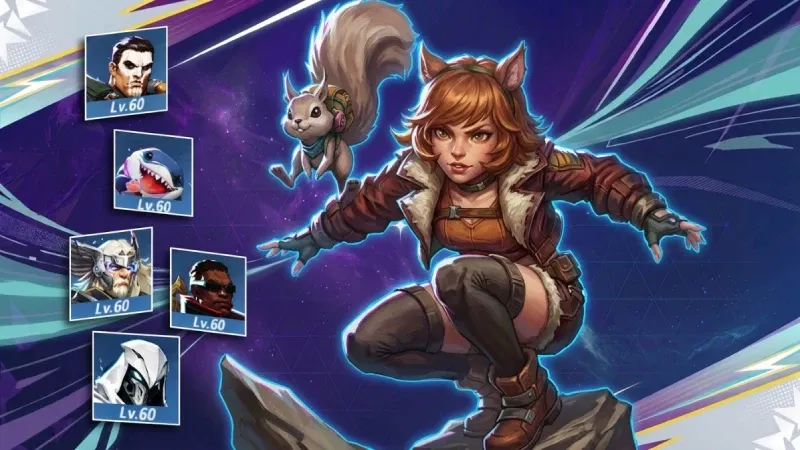
Heroes | Six only: Blade, Moon Knight, Jeff the Land Shark, Squirrel Girl, The Punisher, Thor, each with a PvE-specific kit |
Difficulties | Normal, Hard, Extreme, then the open-ended Nightmare ladder |
Headline rewards | Kingpin Dethroned Trophy Accessory, per-hero Nightmare titles and emojis, 100 Units and 100 Unstable Molecules milestones, the 40,000-kill nameplate |
The story is Season 7 canon: Spider-Man and Black Cat's vault heist to free captured heroes accidentally released Dracula, imprisoned since Season 1, who walked out with a Norn Stone from Kingpin's collection and turned New York into a hunting ground. You are the cleanup crew.
How the Mode Works
Blood Hunt is wave-based co-op with a looter-RPG spine. A squad fights through escalating phases of vampires, exploding variants, tanky Grunts, crawlers, and Human Bats, punctuated by boss encounters, and the six playable heroes run kits rebuilt for PvE rather than their standard loadouts. Team-Up abilities are disabled entirely, a clean break from the system that defines standard play, and every hero instead carries a new Healing Rune: a three-charge self-heal restoring 30% of max health instantly plus another 30% over two seconds. Managing those charges is the mode's core survival skill, because on higher difficulties nothing else keeps you standing.
Progress is per hero and persistent between runs, which is what turns a wave shooter into a build game: the deeper systems below carry across every match you play.
The Build Systems: Gear, Traits, Arcana, Forge
Four interlocking systems decide whether a hero survives the upper difficulties, and treating them as one build rather than four menus is the difference between clearing Extreme and bouncing off it.
System | What it is | What matters |
|---|---|---|
Gear | Equippable drops in four slots per hero: Weapon, Armor, Accessory, Exclusive, across five rarity tiers | Higher difficulties drop better gear, so gear and difficulty climb in a loop. Fill all four slots before pushing |
Traits | A per-hero skill tree: one General tree plus two ability-specific trees, fed by Trait Points from leveling (hero cap: level 60) | Side-upgrade nodes cost nothing but require the adjacent trait, and some transform abilities outright, like automating The Punisher's turret |
Arcana | Two layers: Match Arcana, a pick of three random cards between phases bought with Arcana Points, and the account-wide Arcane Realm with permanent Scrolls (Conquest, Immortality, Blessing, Midas) | The Arcane Realm is meta-progression that buffs every hero permanently; it levels from playing anyone, so nothing is wasted |
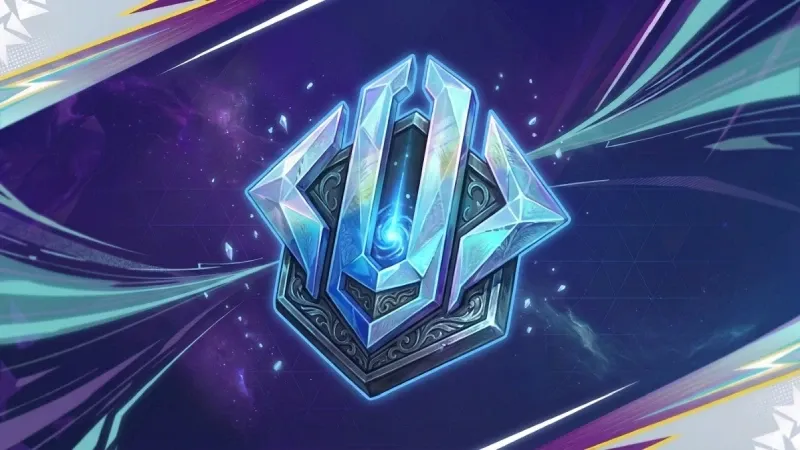
The Forge | Scrap unwanted gear into Uru Shards, craft targeted pieces for a chosen hero and slot | Hold your shards until the hero reaches level 32 or higher, where Epic and Legendary outputs become realistic; crafting earlier burns shards on low-rarity results |
The single most common build mistake with the deadline this close: spreading progress across all six heroes. Concentrate one main, four gear slots filled, Trait Points spent, and push difficulty on that hero; breadth is a luxury for players with three months, not three weeks.
The Difficulty Ladder
Tier | Structure | Bosses | What it is for |
|---|---|---|---|
Normal | 5 phases | Capwolf | Learning the loop and first gear drops |
Hard | 8 phases | Adds Ratatoskr | Trait Points and mid-tier gear |
Extreme | 12 phases, Blood Crystal phase at 12 | Dracula finale, plus the hidden Kingpin route | The build ceiling test and the Kingpin Trophy chase |
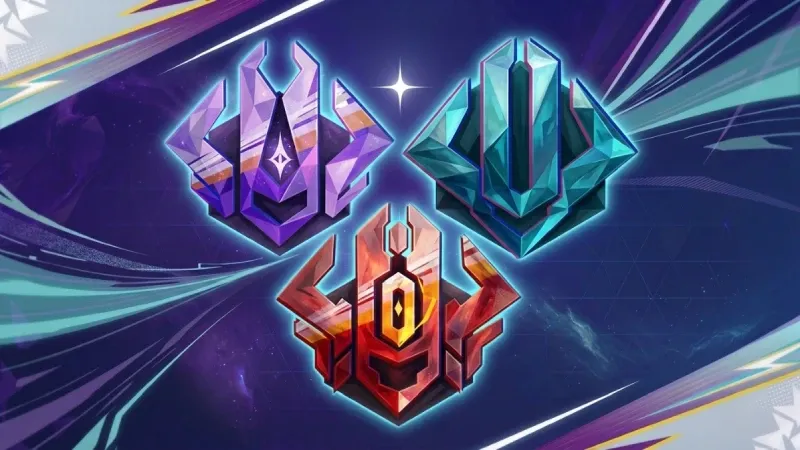
Nightmare | Open-ended ladder; unlocked by clearing Normal, Hard, and Extreme; each clear opens the next five levels | The full gauntlet; Kingpin spawns automatically here | Endgame grinding: rewards run to Nightmare 120, community runs go higher |
Nightmare is where the mode earns its name: enemy density and damage scale hard, boss combinations appear, at high levels the mode pairs threats like Vampiric Fury supporting Capwolf, where focusing Fury first is mandatory, and Dracula's red floor zones turn lethal in a second of contact. It is also where kill counts, shards, and milestone rewards stack fastest, so surviving Nightmare at all converts directly into reward velocity.
Picking Your Blood Hunt Main
With duplicates allowed and progress concentrated per hero, the choice of main shapes the whole event. The Trait system is where the six heroes differentiate: each carries one General tree plus two ability-specific trees, and those ability trees change how a kit plays. Blade builds along Purging Bladedance and Silver Soulbreaker paths; The Punisher's trees feed his primary attacks, and his side-upgrade nodes go as far as converting the manual turret into a self-firing sentry, a free transformation once the adjacent trait is unlocked. Gear compounds it: Punisher pieces like the Rifle of Retribution and Vibranium Barrel scale his shot damage directly, and every hero has equivalent slot synergies worth reading before committing.
Two selection rules hold regardless of taste. Pick a hero whose damage is sustained rather than burst-only, because Dracula's channel interrupts and Kingpin's health bar both pay continuous output. And pick the hero you will still enjoy at Nightmare 40, because the per-hero rewards mean switching mains mid-event restarts the meaningful grind.
Run Tactics That Save Clears
- Ration the Lifeline Serum. Revives are a budget, not a reflex: spend them on final bosses and near-complete clears, and accept a wipe rather than feed repeated revives into a boss still sitting on a full health bar.
- Treat red zones as instant death. Dracula's floor markers are survivable early and lethal in high Nightmare, where a second of contact ends you. Train the habit at low difficulty so it is automatic when it matters.
- Kill the support first. When Nightmare pairs bosses, priority decides the fight: a Vampiric Fury enabling Capwolf makes him drastically harder, so the enabler dies before the headliner, every time.
- Draft Arcana around the squad, not the self. The between-phase card picks run smoothest when the team covers roles deliberately, damage, survival, and sustain, instead of four players all stacking the same offense.
- Split for objectives, always. The Kingpin route's barrier and crystal phases are built for a two-lane team: dedicated objective damage plus dedicated wave control. Four players all doing both accomplishes neither.
The Boss Gauntlet
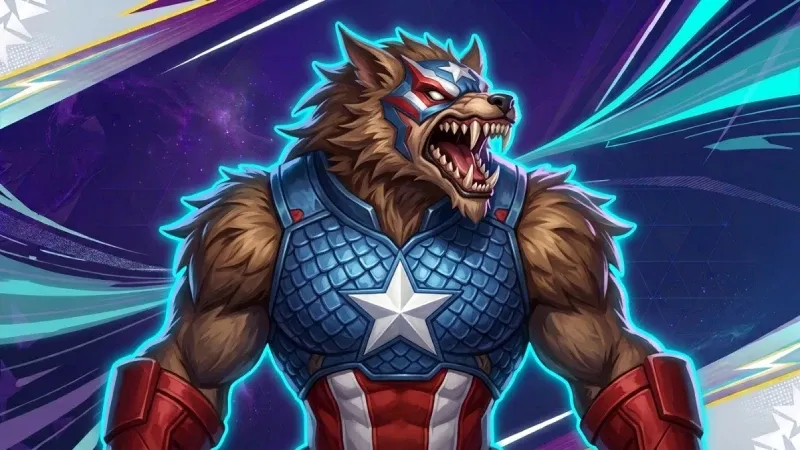
Capwolf, the Normal finale, is the durability check. He marks one player as Prey and hunts them, cycling claw swipes, ground-smash leaps, charges, and a stunning shield throw; in his second phase he heals by damaging the Prey and channels a pin combo the team must interrupt with burst. The marked player kites, everyone else commits damage.
Ratatoskr joins from Hard onward as the second layer of the route, and then Extreme brings the two fights the event is remembered for.
Dracula
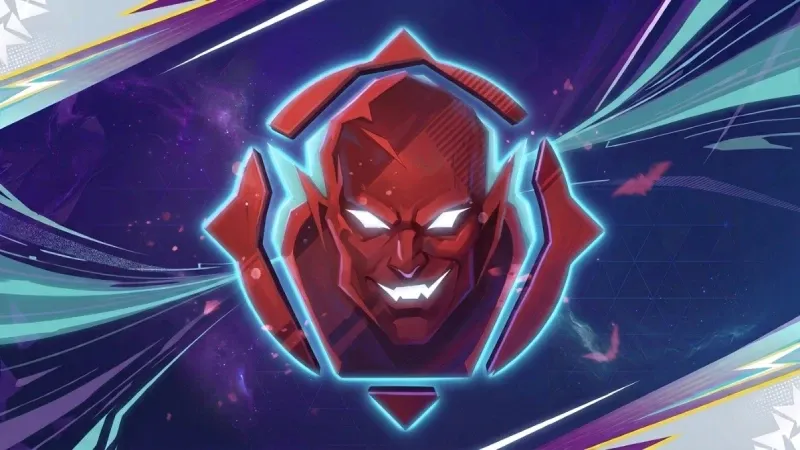
The Extreme finale runs on the Bloodstain mechanic. Dracula periodically channels to siphon Bloodstain stacks from every player, converting them into a massive heal unless the team deals enough damage during the channel to interrupt it, which instead leaves him stunned and vulnerable, your burst window. His pull-into-frontal-shockwave clears stacks from anyone who dodges it, his sword waves punish grouped teams, and at low health he forges the Sword of Dracula, a floating blade that echoes his attacks with extra waves and shockwaves of its own. Two environmental rules decide the fight: destroy his blood orbs so they never reach him as healing, and use the sunlight zones, which grant an Empowered state, temporary invincibility, and attacks that stun him with a massive Vulnerability effect that lingers briefly after you leave the light. Fight from the sun, break the channel, burst the stun.
Kingpin: The Hidden Boss
On Extreme, Kingpin only appears if your squad completes three hidden objectives in sequence during the same run, collecting golden keys along the way; miss one and Dracula ends the run as normal. The Phase 4 and Phase 12 objectives are the tight ones, and the working pattern is a split: two or three players burn the barrier or crystals while the rest hold the vampires off them. On Nightmare he spawns automatically, no objectives needed.
Beat Dracula with the route complete and the squad teleports to Times Square for the fight. Kingpin is a wall of health demanding sustained damage, and four mechanics carry the encounter: a cane strike that stuns until you mash out and dodge the follow-up, a periodic mass stun that traps each player against purple copies of their own teammates until they break free, a half-health enrage that adds a charging wall-pin grab, and the signature implosion barrier: a sphere that blocks all outside damage while slowly pushing players out, and either the team walks in, holds against the push, and deals enough damage to cancel it, stunning and weakening him, or the arena eats a massive explosion. Clearing him pays Kingpin Trophy Shards plus the Animal Instinct Gallery Card, and 100 shards craft the golden Kingpin Dethroned Trophy Accessory, the event's flagship reward.
Save -20% on your boost ⚡

Every Reward on the Clock
There is no free skin in Blood Hunt; the value lives in the Achievements tab, exclusive to the mode, and one accessory in the Overview menu. All of it expires with the event.
Reward | Requirement | Grind weight |
|---|---|---|
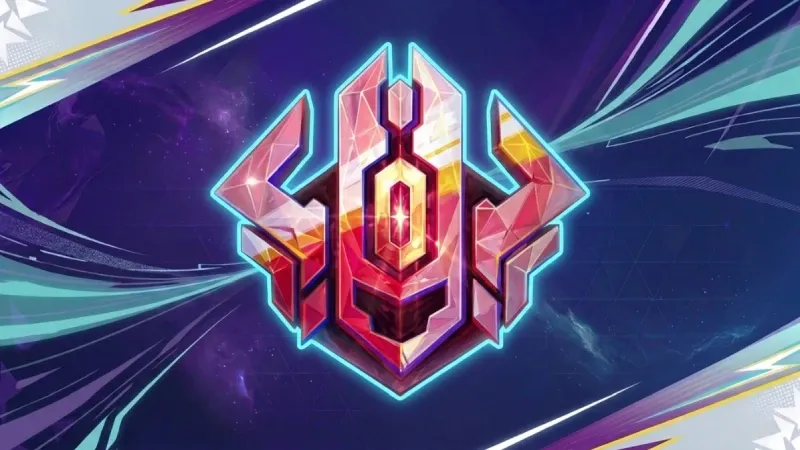
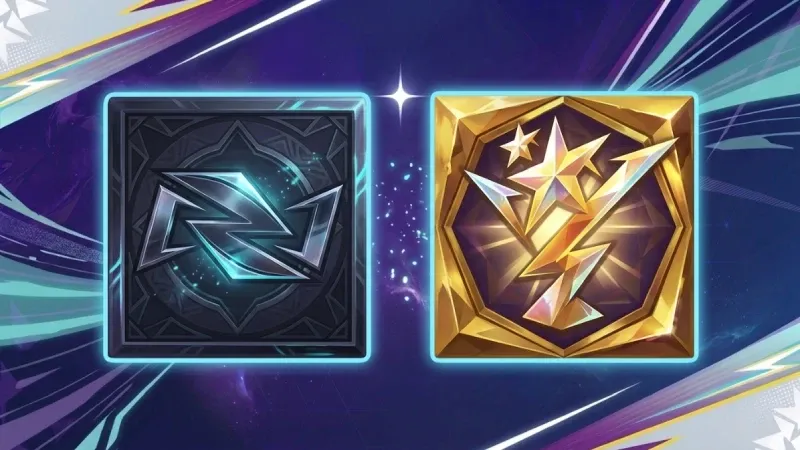
Kingpin Dethroned Trophy Accessory | 100 Kingpin Trophy Shards, from Extreme hidden-route clears and Nightmare milestone nodes at 20, 40, 60, 80, 100, and 120 | The longest chase; start immediately |
Per-hero emoji | Nightmare 40 on that hero | Moderate per hero |
Per-hero title | Nightmare 70 on that hero | Heavy per hero |
Bane of all Evil title | Nightmare 100+ | The prestige climb |
Blood Hunt Nameplate | 40,000 total kills | Passive if you run Nightmare, where kill counts stack fastest |
100 Units + 100 Unstable Molecules | Milestone achievements | Light; free currency toward the wallet covered in our currency guide |
Battle Pass progression | Flows from runs throughout | Automatic |
The Final-Weeks Triage Plan
- First: clear Extreme and open Nightmare. Every headline reward sits behind that gate, and the unlock chain, Normal, then Hard, then Extreme, cannot be skipped. If you are starting from zero, this is the whole first session.
- Second: run the Kingpin route on every Extreme clear. The 100-shard trophy is the event's longest grind and its best-looking reward; shards missed now cannot be made up in the final days. Nightmare milestone nodes at every twentieth level supplement the farm.
- Third: bank the currency and kill milestones passively. The Units, Unstable Molecules, and nameplate progress all accumulate while you chase everything else; just do the chasing on Nightmare, where density pays double.
- Fourth: pick one hero for the Nightmare 40 emoji, and only then consider 70. With weeks left, one hero's title at 70 is realistic for a committed player; six emojis at 40 each is not. Choose the flex that matches your remaining calendar.
- Cannot make the math work? The Blood Hunt titles service runs the Nightmare thresholds on any hero before the cutoff, and the event clears above cover the Kingpin route. After July 30, no service, grind, or wish brings any of it back.
FAQ
When does Blood Hunt end in Marvel Rivals?
July 30, 2026, at 09:00 UTC. NetEase extended the earlier Zombies mode when it proved popular, so an extension is possible, but nothing has been announced: treat July 30 as the real deadline, because every reward in the mode becomes permanently unobtainable when it closes.
Which heroes can you play in Blood Hunt?
Six: Blade, Moon Knight, Jeff the Land Shark, Squirrel Girl, The Punisher, and Thor. Each runs a PvE-specific kit rather than their standard loadout, Team-Up abilities are disabled, duplicates are allowed in a squad, and every hero carries the mode's three-charge Healing Rune self-heal.
How do you unlock the Kingpin fight?
On Extreme difficulty, complete three hidden objectives in sequence during the same run, collecting golden keys along the way; miss any one and the run ends at Dracula. The Phase 4 and Phase 12 objectives are the tight ones, best handled by splitting the squad between the objective and wave control. On Nightmare difficulty, Kingpin spawns automatically with no objectives required.
How do you beat Dracula in Blood Hunt?
Play the interrupt-and-burst loop: when he channels to siphon Bloodstain stacks, deal enough damage to break the channel, which stuns him and opens your damage window. Destroy his blood orbs before they heal him, dodge the pull-and-shockwave combo to clear your own stacks, and use the sunlight zones, which grant temporary invincibility and let your attacks stun him with a heavy Vulnerability effect. His final phase adds the Sword of Dracula, which echoes his attacks, so save cooldowns for it.
What is the best reward in Blood Hunt?
The Kingpin Dethroned Trophy Accessory, crafted from 100 Kingpin Trophy Shards earned through Extreme hidden-route clears and Nightmare milestone nodes at levels 20 through 120. It is the event's flagship cosmetic and its longest grind. Beyond it: per-hero emojis at Nightmare 40, per-hero titles at Nightmare 70, the Bane of all Evil title past Nightmare 100, a nameplate at 40,000 kills, and 100 Units plus 100 Unstable Molecules in milestones.
Can you play Blood Hunt solo?
Yes, the mode supports 1 to 4 players, and solo queueing works. The upper difficulties are tuned around coordinated squads though: the Kingpin hidden objectives in particular expect the team to split between objective damage and wave control, so solo players should expect the Extreme route and high Nightmare levels to demand a strong build and patient play.
Do Blood Hunt upgrades carry between runs?
Yes. Gear, Trait Points, hero levels (capped at 60), Forge materials, and the account-wide Arcane Realm all persist across matches; only the Match Arcana cards picked between phases reset per run. That persistence is why concentrating one hero, filling their four gear slots, and holding Uru Shards until level 32+ for Epic and Legendary Forge crafts is the standard route to the upper difficulties.