
 ~13 min
Path of Exile 2: Return of the Ancients Guide
Return of the Ancients is one of the biggest content expansions released during the Path of Exile 2 Early Access period. The update introduces an entirely new league mechanic, major Atlas progression changes, advanced crafting systems, 25 new Kalguuran skills, and universal Runic Skills that completely reshape build creation.
This guide covers everything currently known about the update, including the Runes of Aldur league, Verisium crafting, endgame improvements, league mechanic reworks, and how the new systems affect gameplay progression.
Path of Exile 2: Return of the Ancients Release Date
The massive Path of Exile 2: Return of the Ancients update (Patch 0.5.0) is set to launch on 1PM May 29 PDT which is May 29, 2026 11:00 PM (GMT+3).
Grinding Gear Games showcased the upcoming content during a presentation held on May 7, 2026. This update serves as one of the final major milestones before the full release of Path of Exile 2, currently planned for November 2026.
Path of Exile 2: Return of the Ancients - Overview
Return of the Ancients is the fourth major early access update released for Path of Exile 2 since the game launched in December 2024.
Patch 0.5.0 introduces the long-awaited Atlas endgame overhaul, the brand-new Runes of Aldur league mechanic, and extensive reworks for several core systems, including Breach and Ritual.
The update also expands endgame progression with new bosses, Atlas content, crafting systems, and additional build customization options as Grinding Gear Games continues preparing the game for its full 1.0 release.
Runes of Aldur League - Blood, Runes, and Risk
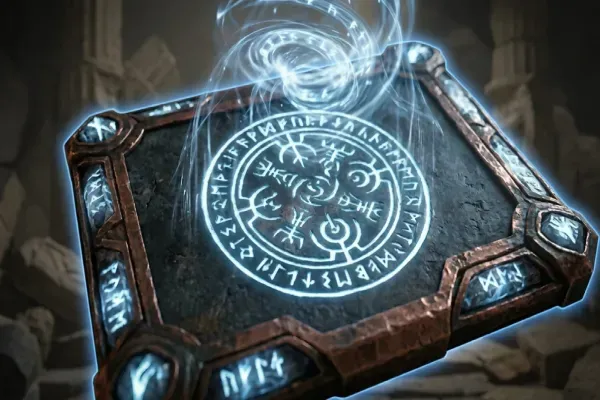
The new league introduces the Ezomyte rune-forging mechanic. Early in the campaign, players rescue a young blacksmith named Farrow, who is researching ancient Kalguuran secrets. The entire system is built around a high risk-versus-reward concept.
- Special Relics will appear throughout different zones, allowing players to combine runes in order to craft specific items or valuable currency rewards.
- Activating runes also comes with danger. Nearby corpses are revived and empowered based on the rune effects used. Insert a Fire rune? Expect waves of burning undead. Use a Moon rune? Be ready to dodge deadly lunar beams during combat.
- By gathering a new resource called Verisium, players can unlock a Runic Shield - essentially a secondary life bar. This shield can also be spent instead of mana to use new universal Kalguuran abilities that have no attribute requirements.
- The update adds more than 100 new runes, including elemental conversion runes, rune-upgrading systems that can evolve them into perfect versions, and even powerful meta-runes capable of temporarily activating unique modifiers on your equipment.
The Precursor Fortress and Atlas Rework
Grinding Gear Games is fully delivering on its promise to overhaul the endgame experience. Players will no longer need to blindly farm random keys just to access their first Pinnacle encounter.
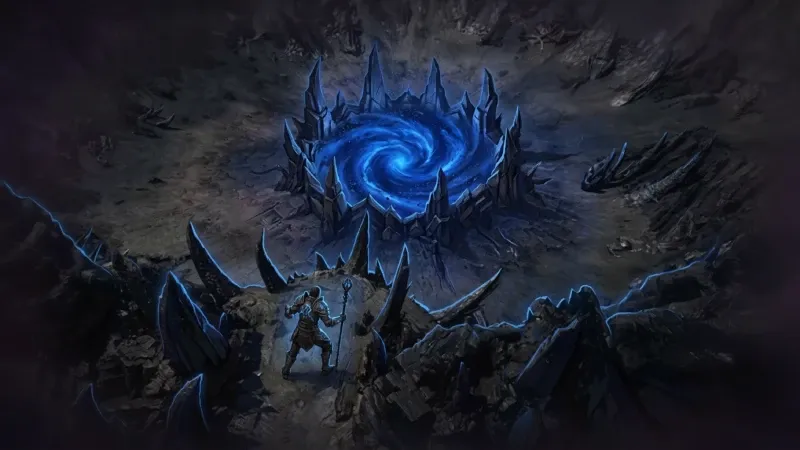
At the center of the update is the Precursor Fortress - a massive ancient structure that has emerged from beneath the earth. Inside, players will discover unique quests, new locations, and a brand-new Pinnacle Boss encounter tied directly to the fortress itself.
The Atlas system is also receiving a complete redesign. The Atlas Passive Tree is being rebuilt from the ground up with more than 300 nodes available.
Many of these nodes now feature multiple variations, allowing players to adjust and customize their Atlas builds far more freely without relying on expensive full respecs every time they want to change strategies.
By completing missions for faction representatives - such as Jado of the Order of the Djinn or the huntress Hilda - players will be able to level up their individual progression trees and unlock powerful bonuses.
Before launching a map, players can choose an active Atlas Master to gain unique modifiers and rewards tied to that faction. However, these bonuses often come with added risks or special conditions.
For example, a Pinnacle Boss encounter may be modified to drop two Unique items instead of one - but in exchange, players only get a single attempt to defeat the boss.
Atlas Tree Ascendancies
The new Masters of the Atlas system introduces an additional layer of endgame customization, functioning similarly to Atlas Tree Ascendancies. In Patch 0.5, players will encounter three unique Atlas Masters - Doryani, Hilda, and Jado - each offering their own specialized bonuses and gameplay modifiers.
As you progress through the Atlas, these NPCs will provide special questlines tied to their faction and objectives. For example, Jado may send players on missions to recover powerful relics for the Order of the Djinn.
Completing these quests unlocks nodes within that Master’s personal Atlas Ascendancy tree. Once unlocked, these bonuses can be applied to maps opened through the Map Device.
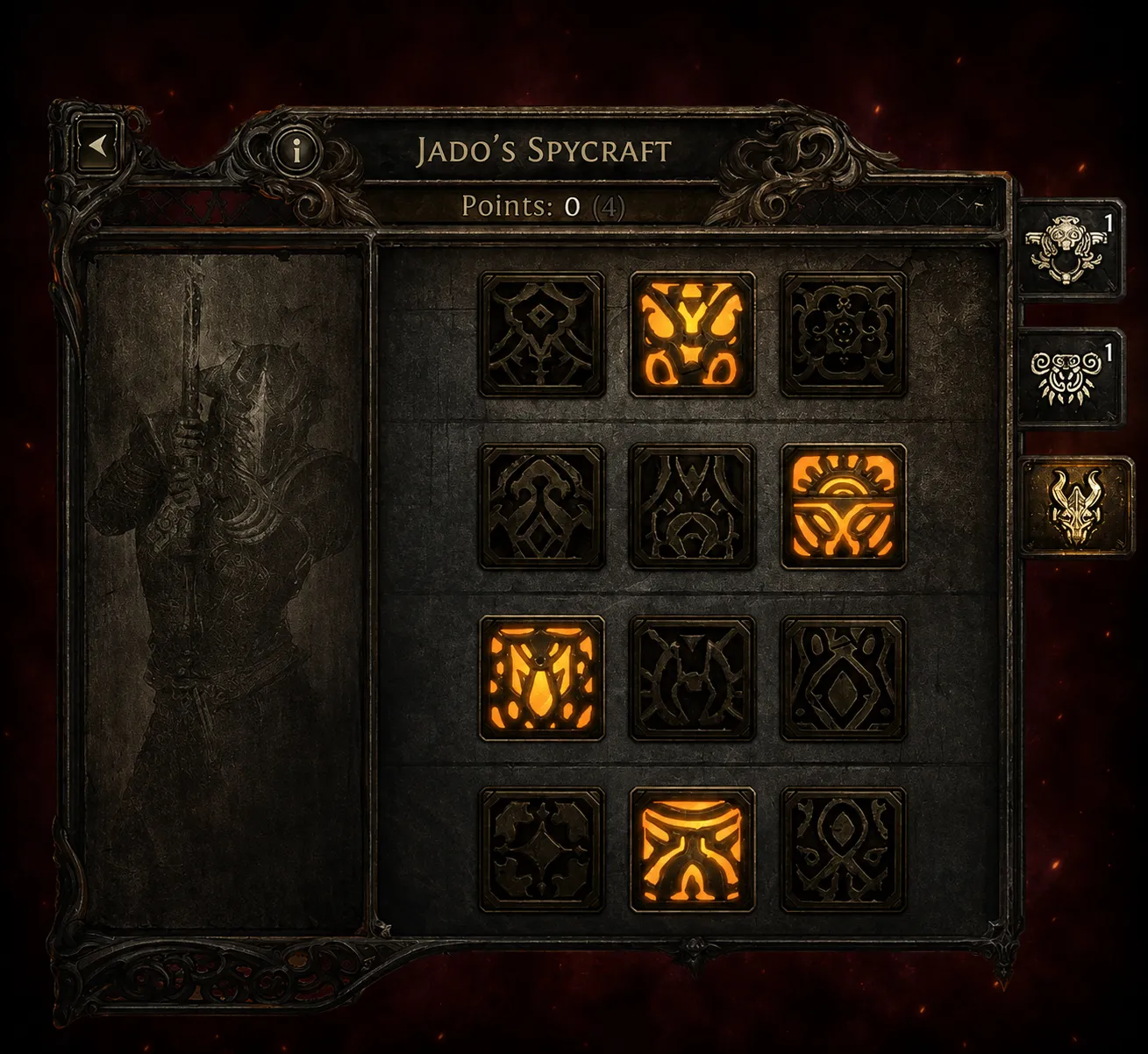
Each Atlas Master features a progression tree containing 12 total nodes, arranged across 4 rows with 3 choices per row. Players can earn up to 4 points, allowing them to activate a maximum of 4 bonuses at the same time.
Every Atlas Master focuses on enhancing different gameplay systems and mapping strategies, giving players more control over how they approach endgame content.
Only one Atlas Master can be active at a time, but switching between them while opening a new map is completely free.
Jado
Jado’s Spycraft is an Atlas Master Ascendancy centered around map manipulation, reward optimization, and improving in-map mechanics.
One of the first-row node choices greatly increases the chance for Strongboxes in your maps to appear as Unique rarity, while also adding additional Rare Chests throughout the area.
Another early node option enhances boss farming by causing map bosses to drop an extra Unique item.
One of the most powerful aspects of Jado’s Ascendancy is its ability to manipulate map layouts themselves. Certain nodes allow Corrupted Waystones to open portals into completely random map layouts, giving players the opportunity to rerollundesirable maps into layouts that better fit their farming strategy.
Hilda
As part of a legendary guild of monster hunters, Hilda’s Atlas Master Ascendancy focuses on empowering high-value enemies and improving boss-related rewards.
Her specialization is heavily centered around dangerous encounters such as map bosses, Rogue Exiles, and Pinnacle bosses, rewarding players willing to take on harder challenges.
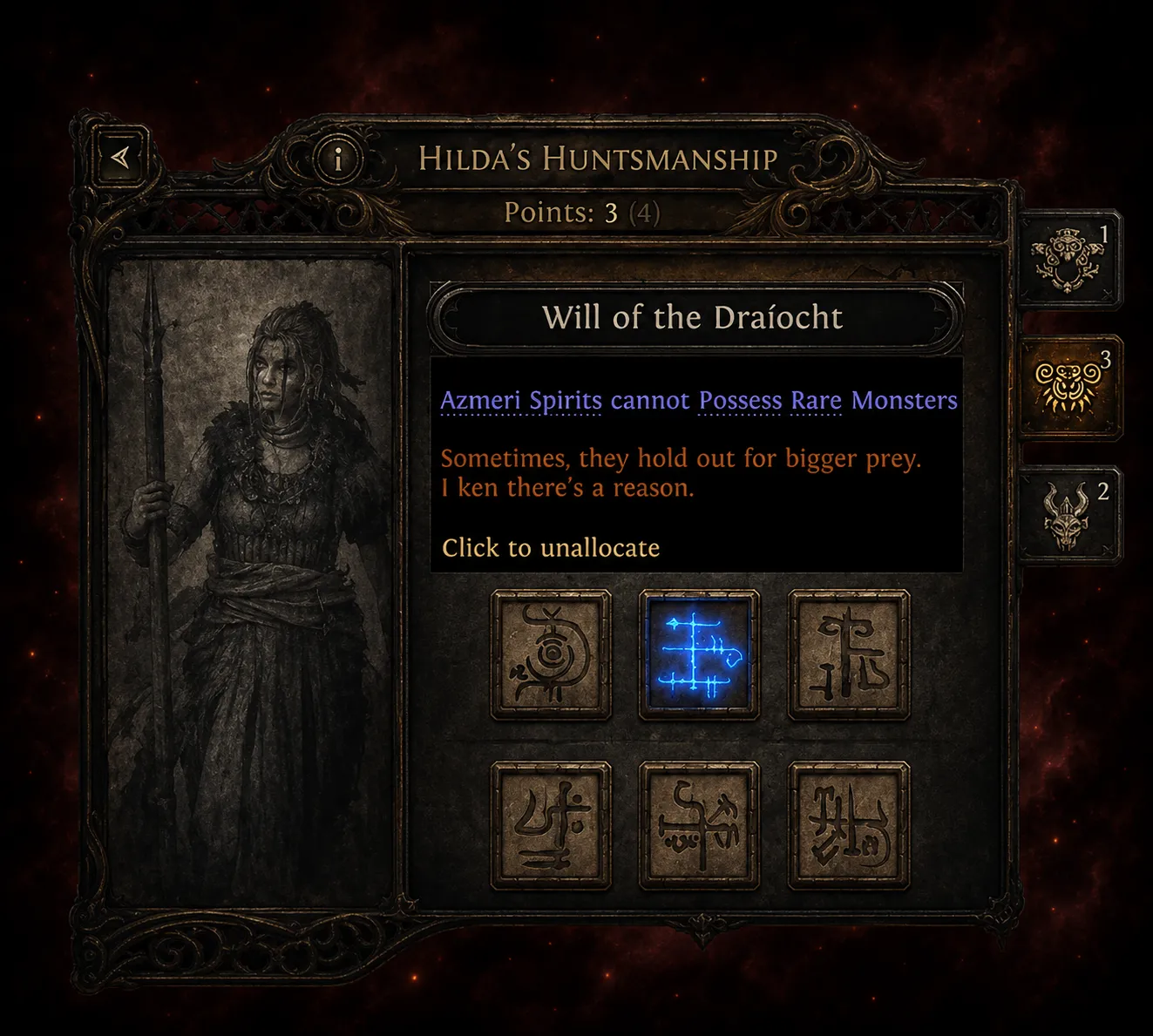
One of Hilda’s node options changes how Azmeri Wisps interact within your maps. Instead of possessing Rare enemies, Wisps will only be able to empower Unique enemies - including map bosses and Rogue Exiles - dramatically increasing both their difficulty and loot potential.
Perhaps her strongest node introduces a high-risk, high-reward mechanic for Pinnacle boss encounters. Players are limited to a single portal attempt, but defeating the boss guarantees 2 exclusive boss-drop Unique items as a reward.
Doryani
Doryani’s Science is a versatile Atlas Master Ascendancy that blends character utility, increased rewards, and additional map difficulty modifiers.
Unlike the more specialized Atlas Masters, Doryani offers a balanced selection of bonuses that can improve survivability, increase loot potential, or make dangerous encounters more manageable.
One of his node options grants an additional portal when entering a map area, providing extra safety during difficult encounters or helping players avoid losing valuable rewards from failed runs.
Doryani also includes strong loot-focused bonuses. One notable node increases the Item Rarity of drops from Magic Monsters by 100%, making strategies focused on spawning additional Magic packs far more rewarding.
This flexibility makes Doryani a strong all-around choice for players looking to balance progression, survivability, and farming efficiency.

New Ascendancy Classes
Return of the Ancients introduces two brand-new Ascendancy classes, alongside more than 40 new Unique items designed to expand build variety and endgame progression.
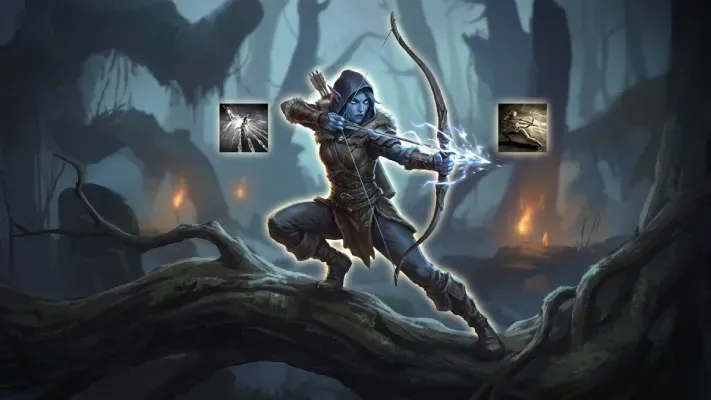
New Huntress Ascendancy: Spirit Walker
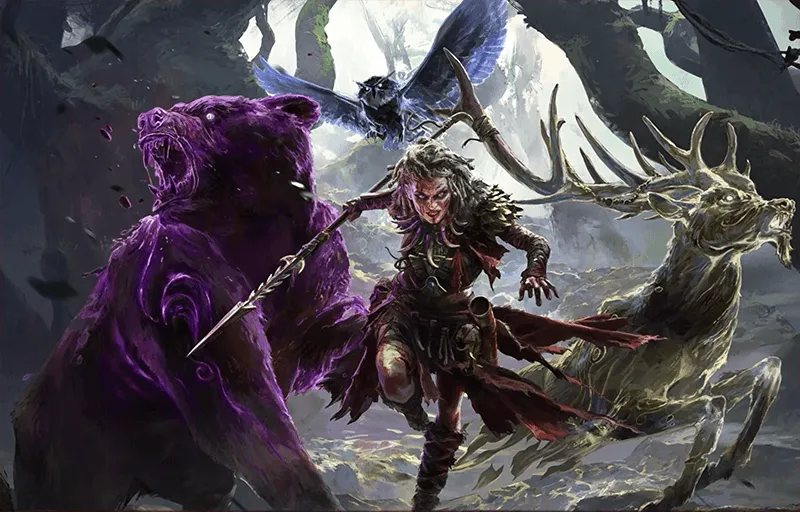
The Spirit Walker is deeply connected to the wilds of Azmeria, channeling powerful animal spirits to fight alongside her.
- Stag – focuses on aggressive stampeding attacks and battlefield pressure.
- Owl – enhances projectile-based combat and ranged precision.
- Bear – summons a massive companion capable of tanking and controlling enemies.
By unlocking the Sacred Wisps ability, the Spirit Walker can combine the strength of all three spirits at once, gaining massive bonuses and enhanced synergy between their powers.
The class can also tame powerful Beast Bosses found across Wraeclast, binding them spiritually as permanent combat companions.
New Monk Ascendancy: Martial Artist
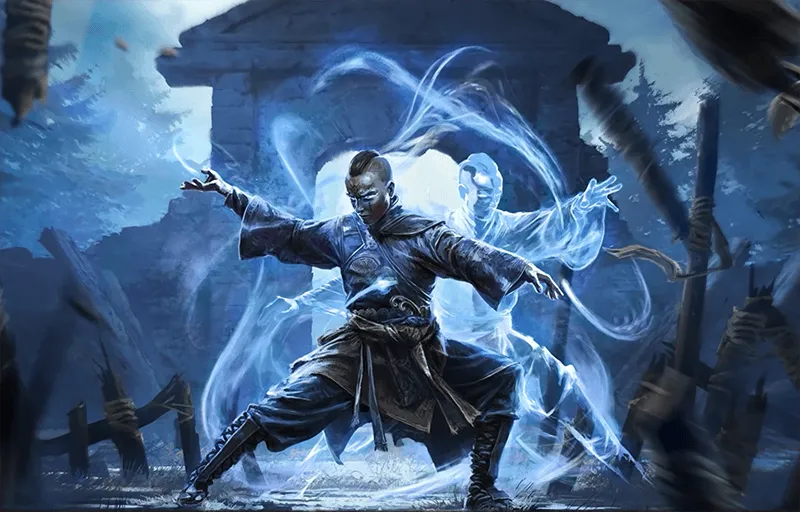
The Martial Artist is a Monk Ascendancy focused on spiritual energy, martial combat, and illusion-based techniques developed through years of discipline and training.
Using special runic tattoos carved directly into his meridians, the Martial Artist empowers himself with ancient rune magic and internal energy.
The class can create combat illusions that mimic attacks, summon spectral bells that explode when struck, and fully specialize in hand-to-hand combat.
One of its signature mechanics, Way of the Stone Fist, transforms equipped gloves into massive stone fists, massively boosting both survivability and melee damage output.
Powerful New Uniques & QoL Changes
This update introduces more than 40 new Unique items, many of which open up completely new build possibilities and playstyles.
Some of the standout additions include:
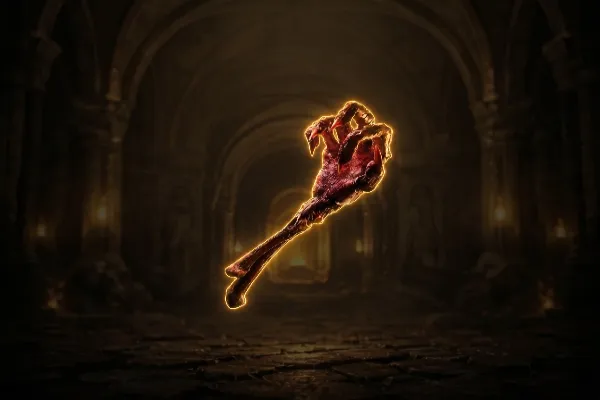
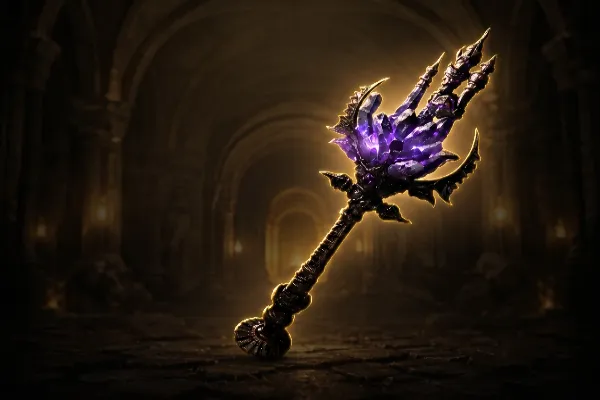
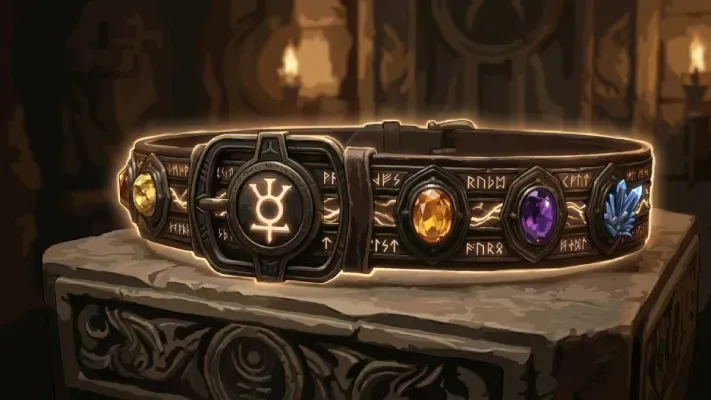
- Twisted Imperion – a Verisium mace that converts Fire damage into Cold damage.
- The Raven’s Flock – a powerful staff designed for minion-focused builds.
- Voices – the highly desirable jewel returns, capable of adding up to four extra jewel sockets.
The update also brings several major quality-of-life improvements aimed at making character management and endgame progression much smoother.
- New in-game Build Planner
- Atlas Search functionality
- Integrated market price checker
- Dedicated Fragment Stash Tab
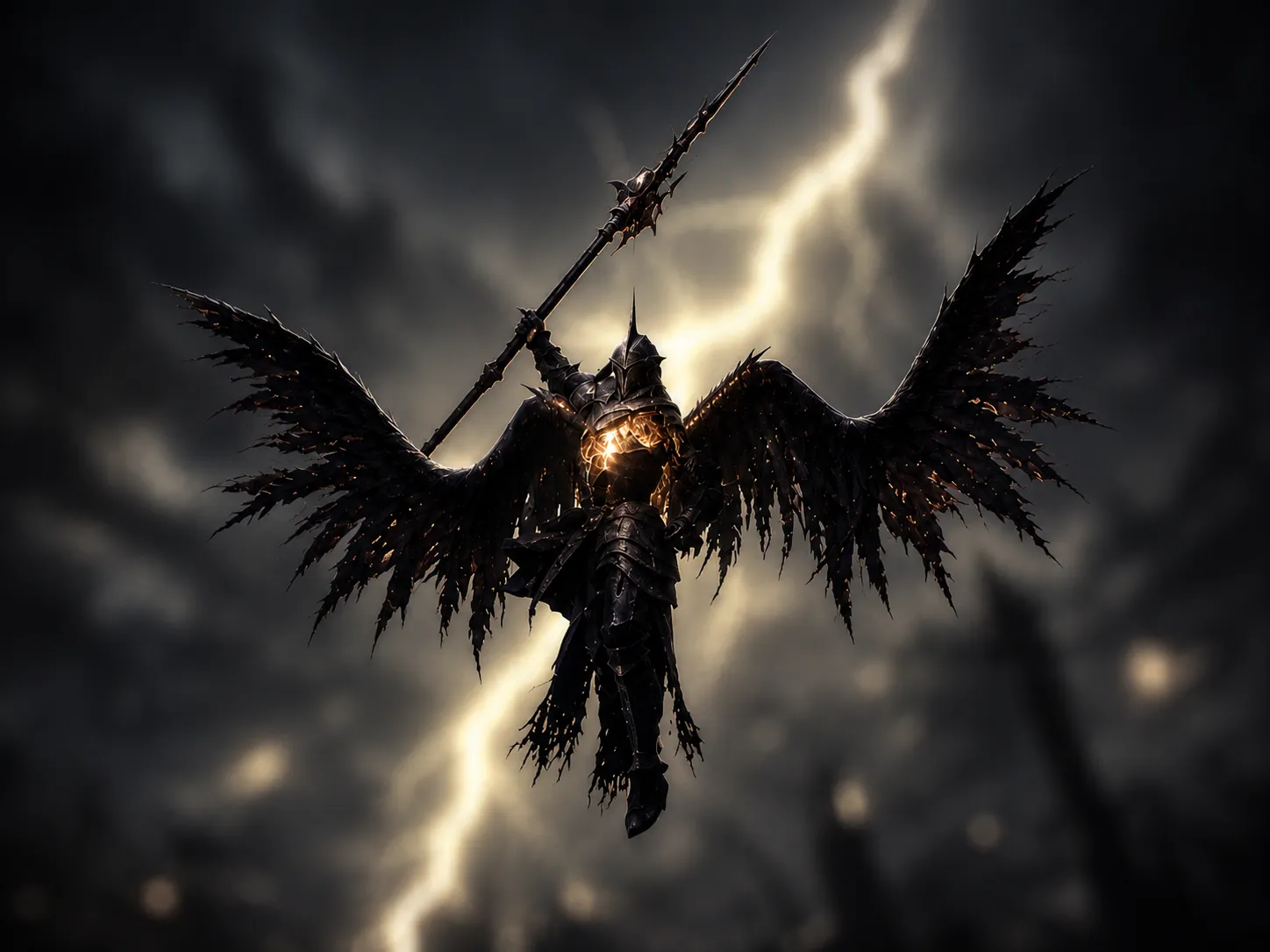
New Unique Shield: Nightfall
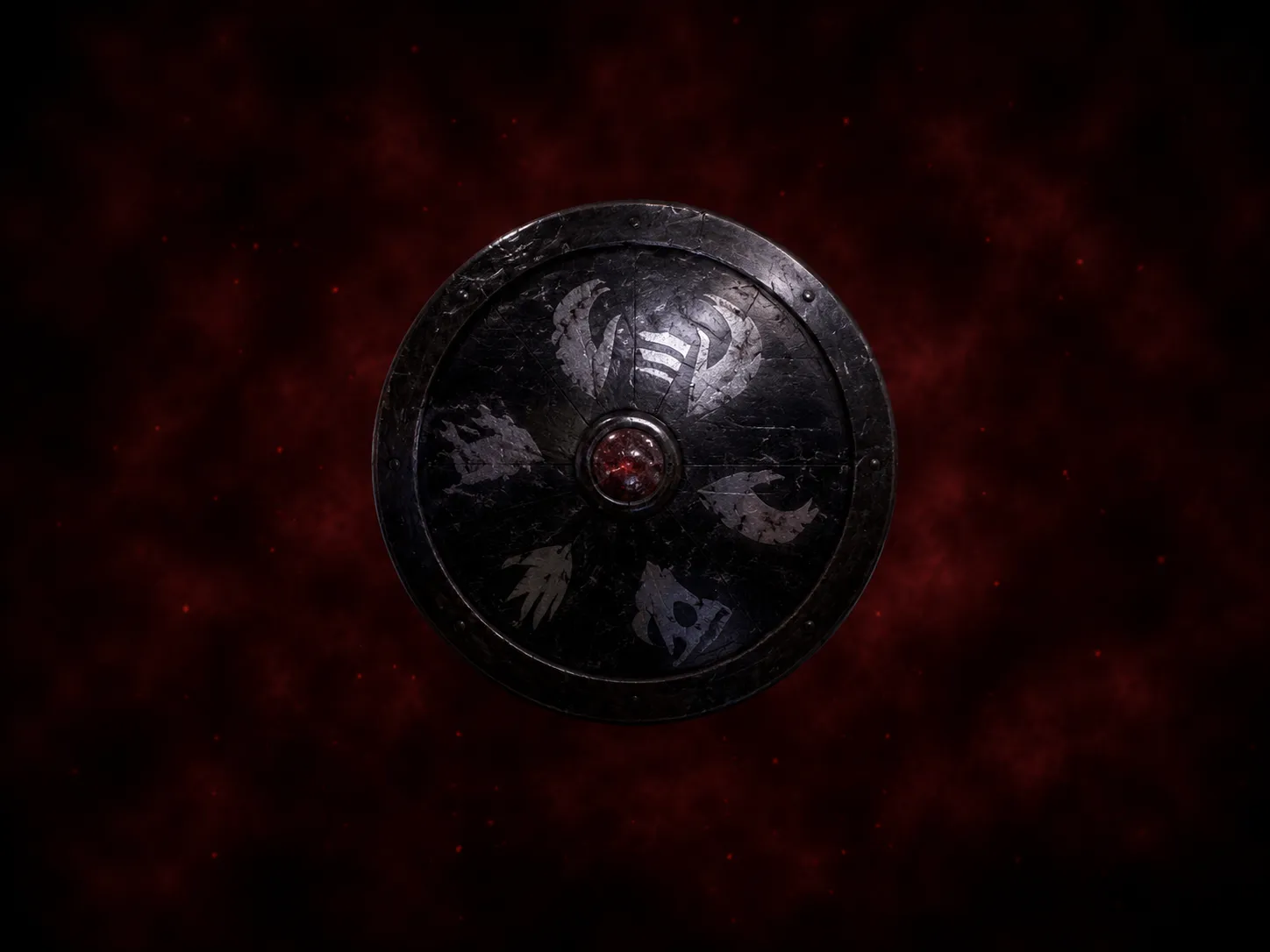
Nightfall is one of the newly revealed Unique items arriving with the Return of the Ancients expansion. Recent gameplay footage showcased several of its mechanics and combat interactions.
One of its signature abilities is Soaring Midnight, which lets players hurl the shield forward like a projectile. If left untouched, the shield eventually returns automatically.
However, reactivating the skill while the shield is still in flight teleports you directly to its location before slamming it into the ground, unleashing an AoE impact that causes ice crystals to erupt around the target area.
Catching the returning shield or destroying the spawned ice crystals instantly resets the cooldown of the ability, allowing for aggressive mobility and rapid chaining attacks during combat.
New Unique Crossbow: Redemption
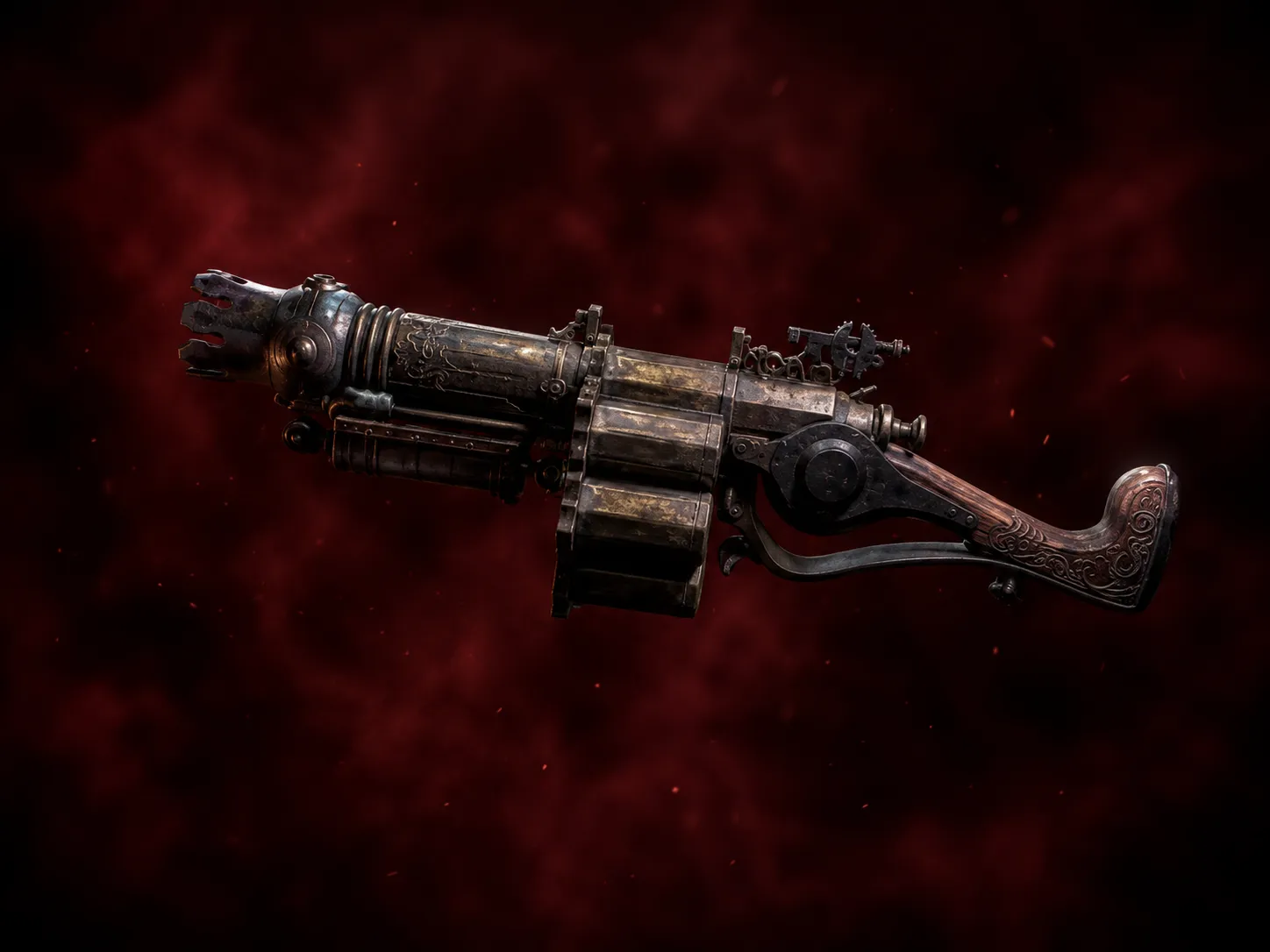
Redemption is another newly revealed Unique item showcased in the Return of the Ancients expansion gameplay footage. Unlike traditional Crossbows, Redemption cannot use standard ammunition-based skills and is built entirely around grenade gameplay.
According to the developers, Redemption is technically not a regular Crossbow at all, but part of an entirely new weapon base type. Players will eventually be able to discover and craft rare endgame versions featuring grenade-focused modifier pools.
Its signature mechanic, Explosive Fervour, allows grenade skills to ignore their normal cooldown restrictions while massively increasing firing speed when multiple grenade abilities are chained together.
This creates a fast-paced explosive playstyle centered around rapid grenade combos and constant area damage.
Return of the Ancients Endgame Overhaul
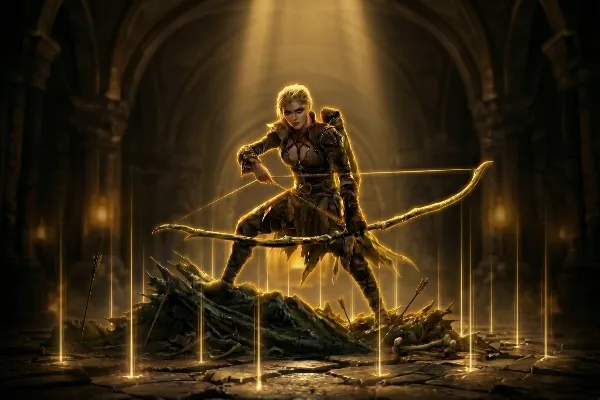
The Return of the Ancients expansion completely reworks the Path of Exile 2 endgame, introducing more than 30 new Atlas areas, a redesigned Atlas Passive Tree, and five large-scale endgame storylines with their own mechanics, quest hubs, and Pinnacle Boss encounters.
The Origins of Divinity
One of the core pillars of the update is The Origins of Divinity, set in a corrupted version of Wraeclast slowly consumed by ancient forces. Guided by the Vaal thaumaturge Doryani, players must search for the mysterious Precursors - the creators of the Third Edict.
This storyline eventually leads to the discovery of a colossal ancient Fortress buried beneath the world. Inside, players must reactivate forgotten machinery, survive dangerous encounters, and descend deeper into hidden chambers to uncover long-lost secrets.
The Fortress also serves as the centerpiece of the new Atlas system overhaul. The Atlas Passive Tree has been rebuilt from scratch with multi-choice nodes and new interactions between league mechanics, allowing for far greater customization.
At the heart of the Fortress awaits a new Pinnacle Boss encounter: The First Edict.
The expansion also introduces Atlas Masters - Jado, Hilda, and Doryani - who provide special mapping missions, progression systems, and unique rewards tied to different endgame playstyles.
Runes of Aldur
The new league mechanic follows Farrow, a rune seeker from eastern Ezomyr, as players uncover the connection between ancient Ezomyte traditions and forbidden Kalguuran craftsmanship.
Throughout the Atlas, players will discover Ezomyte Remnants that can be inscribed with over 100 different runes. These rune combinations influence the rewards created, including powerful crafting currencies and items.
However, the chosen runes also empower nearby enemies with dangerous modifiers, turning every encounter into a high-risk challenge.
The system introduces Verisium and a brand-new defensive mechanic called Runic Ward. Players can also unlock universal Kalguuran skills that consume Runic Ward instead of Mana and ignore traditional weapon or attribute restrictions.
Expedition mechanics have also expanded into ocean exploration, allowing players to sail across the Uncharted Seas, explore islands, uncover hidden dungeons, and fight five new Kalguuran bosses.
The Raven and the Hare
Delirium receives a major overhaul focused on the trickster god Tangmazu and the spreading madness consuming Wraeclast.
Players progress deeper into the fog through a new scaling system that increases both danger and rewards. By using a Strange Fruit, players can spread Delirium across the Atlas, eventually forming a twisted Simulacrum of memories and nightmares.
New rewards called Distilled Emotions allow players to enchant amulets with passive bonuses or craft powerful jewel modifiers such as movement speed and critical strike chance.
Defeating the Simulacrum grants access to Tangmazu himself, while Grand Mirrors appearing throughout the Atlas allow repeated endgame encounters against the Raven Trickster.
Waking the Dreamer
Breach is fully redesigned around a war against the Hiveborn - terrifying creatures attempting to invade Wraeclast.
Breach encounters now feature escalating combat where killing enemies extends the portal duration. Surviving long enough stabilizes the Breach and summons powerful elite abominations.
Defeated enemies drop Hiveblood, used to empower the new Genesis Tree. This system allows players to cultivate exclusive jewelry bases with unique modifiers unavailable anywhere else in the game.
Eventually, players can invade the Hiveborn realm itself, battling through enormous living structures and Skyhives before confronting the Breachlords directly.
Rite of the Nameless
The Ritual mechanic is being expanded through a new storyline set in the Wildwood. Players assist Aoife, a spirit seeking revenge against the King in the Mists.
Ritual encounters now reward highly valuable Uniques and Omens, while unspent Tribute contributes toward unlocking more dangerous encounters.
The ultimate challenge is the Rite of the Nameless, a multi-map ritual gauntlet that continuously escalates enemy difficulty and rewards across several maps in a row.
Completing the ritual grants access to an ancient prison where players face the final darkness hidden within.
Additional Features and Improvements
Beyond the new storylines, the expansion introduces a huge number of additional systems and quality-of-life improvements:
- 30+ new Atlas maps and environments
- 40+ new Unique items and updates to existing ones
- New League Challenge system with exclusive cosmetic rewards
- In-game Build Planner with community build importing
- Atlas Search functionality
- Integrated market price checker
- Fragment Stash Tab for endgame materials
- Improved campaign navigation and visual guidance
Overall, Return of the Ancients represents the largest overhaul to Path of Exile 2’s endgame systems so far, dramatically expanding progression, build customization, and long-term replayability.
FAQ
What are Ezomyte Remnants?
Ezomyte Remnants are special encounters found throughout maps and zones. Players activate symbols before the fight begins, increasing both encounter difficulty and reward quality.
How does the symbol system work?
Each symbol adds modifiers to enemies while also improving rewards and crafting outcomes. More symbols create harder encounters but provide better loot and Verisium gains.
What is Verisium used for?
Verisium is a new crafting resource used for Runic Ward crafting, Runic Skills, and advanced gear customization systems introduced in Return of the Ancients.
What is Runic Ward?
Runic Ward is a new defensive layer separate from Life and Energy Shield. It can absorb lethal damage and is one of the core defensive mechanics added in the update.
How do Runic Skills work?
Runic Skills consume Runic Ward instead of Mana or Life. They also have no Attribute or Gem colour requirements, allowing much more flexible build combinations.
Why are Runic Skills important?
Runic Skills allow players to access abilities outside traditional attribute and socket restrictions, making hybrid and utility-focused builds significantly easier to create.
What should players focus on early in the league?
Early progression should focus on farming Verisium, building survivability, unlocking Runic Ward crafting, and steadily progressing through the Atlas system.
Is Return of the Ancients focused on crafting?
Yes. Crafting is one of the main themes of the update, with Verisium systems, Runic crafting, and defensive customization playing a major role in endgame progression.
Does the update improve build diversity?
Yes. Runic Ward and Runic Skills create entirely new build paths and resource systems, significantly increasing overall build flexibility.