
 ~9 min
Diablo 4 Lord of Hatred Overview
© image from www.wowhead.com
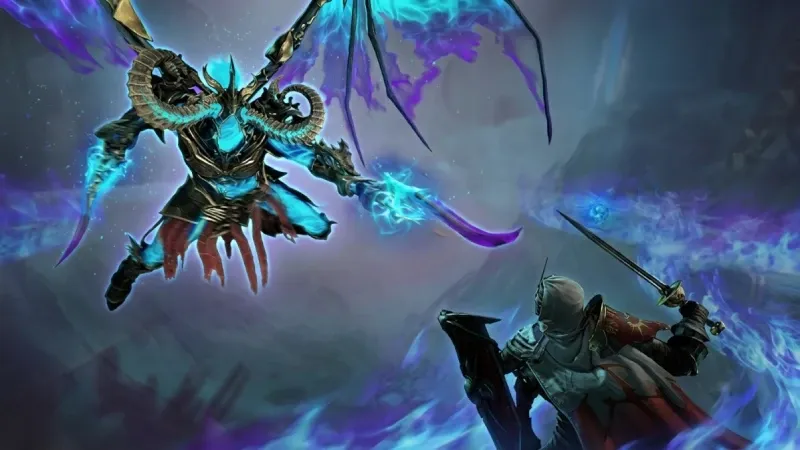
Lord of Hatred is the next large-scale expansion for Diablo 4 that significantly evolves both the narrative and core gameplay systems. Unlike seasonal updates, this expansion introduces permanent changes that affect progression, builds, and endgame structure.
The expansion continues the Mephisto storyline and expands Sanctuary with a new region, new classes, and multiple interconnected systems designed to increase build depth and long-term replayability.
New Story and Campaign of Diablo 4: Lord of Hatred
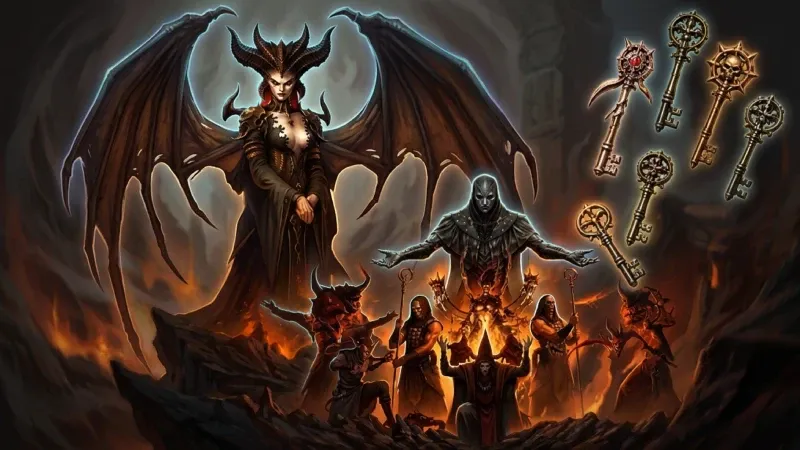
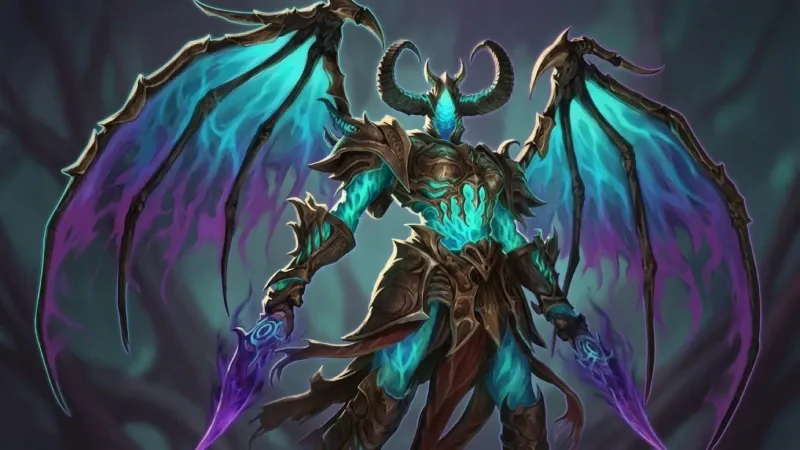
Lord of Hatred takes place after the Vessel of Hatred expansion and leads to the final stand against Mephisto, the Lord of Hatred. Mephisto grows ever closer to being reborn in his true form, and humanity must work together in a race against time to stop him. To achieve that, they have to team up with a long thought to be dead enemy, Lilith.
Key Features and Highlights
- New campaign continuation
- New region: Skovos
- Two new classes
- Endgame system overhaul
- Return of iconic Diablo mechanics (Horadric Cube)
- New customization layers
Why This Expansion Matters
Lord of Hatred shifts Diablo 4 from a seasonal ARPG into a more system-driven progression game with deeper build crafting and more controlled farming.
Lord of Hatred Release Date
Diablo 4 Lord of Hatred will release on April 28, 2026. On the same day, Season 13 will also start, meaning it’s the right time to start a seasonal character for the new expansion. And with our Power Leveling, you will be ready to witness the Lord of Hatred just in time.
What to Prepare Before Launch
- Endgame-ready character (Torment difficulty access)
- Optimized gear sets
- Resources for crafting (important for Cube usage)
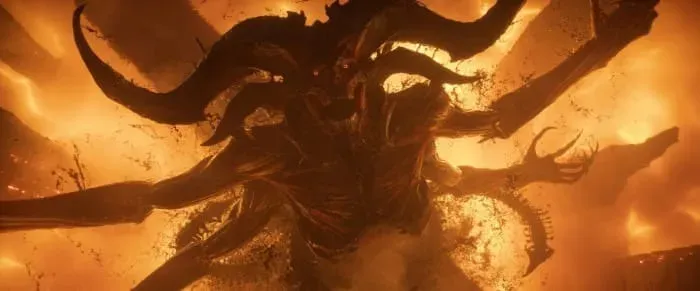
New Region in Lord of Hatred
Skovos is one of the largest regions introduced in the Diablo 4 Lord of Hatred expansion, and it is expected to play a central role right from the beginning.Unlike areas that follow a single visual theme, Skovos blends multiple environments — from storm-battered coastlines and ancient ruins to dense forests and volcanic landscapes. This diversity suggests that exploring the region will feel dynamic rather than repetitive.
Several features make Skovos stand out within the expansion:
- Temis as the main endgame hub - after completing the campaign, this city becomes the primary location for endgame progression and activities.
- Additional towns across the region - these settlements support both gameplay flow and world structure, not just visual variety.
- New dungeons - Skovos introduces fresh PvE content that integrates directly into the expansion loop.
- Unique enemy types - including cultists, sea creatures, and Hell-corrupted foes, giving the region its own combat identity.
- Expanded zone design - volcanic zones, forests, and flooded areas provide both visual diversity and varied gameplay experiences.
In addition to its scale, Skovos is designed to be more than just a traversal space. With new settlements, dungeons, and enemy encounters, the region encourages deeper exploration rather than simple movement between objectives.
Environment Breakdown
| Biome Type | Gameplay Impact |
|---|---|
| Coastal Areas | Open combat zones, large enemy packs |
| Dense Forests | Ambush mechanics, limited visibility |
| Ancient Ruins | Dungeon-style encounters |
New Classes in Lord of Hatred
The expansion adds two classes that significantly expand gameplay diversity, covering both defensive melee and summoner archetypes.
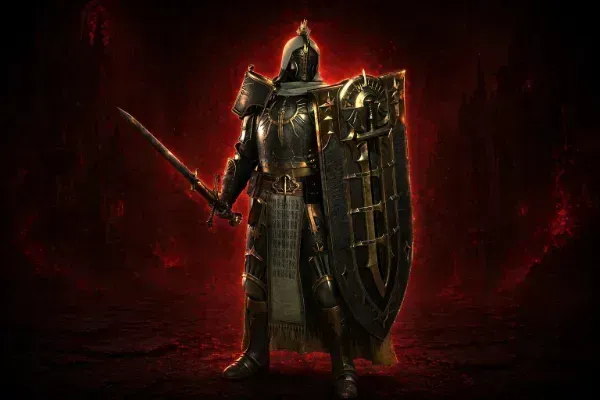
Paladin — Holy Warrior Playstyle
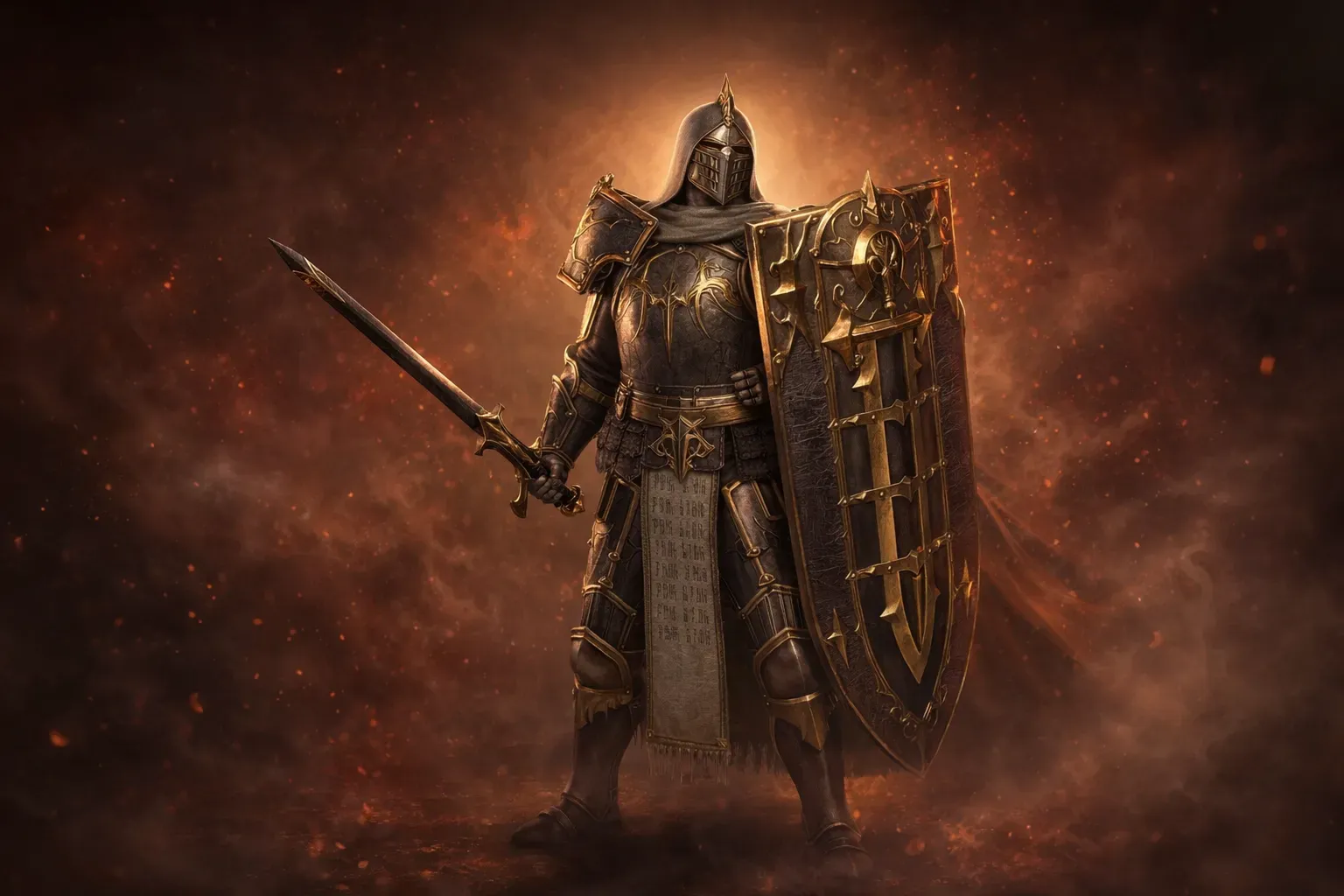
The Paladin is a heavy frontline class built around survivability, aura support, and sustained melee damage.
- Uses shields and heavy armor
- Applies buffs through aura systems
- Hybrid role: damage + defense
The Paladin was introduced prior to the full release of the Diablo 4 Lord of Hatred expansion, yet it continues to be an essential part of the class lineup. As a holy warrior, the Paladin brings back the classic crusader-style gameplay that many players have been waiting for over the years.
Warlock — Dark Magic and Summoning
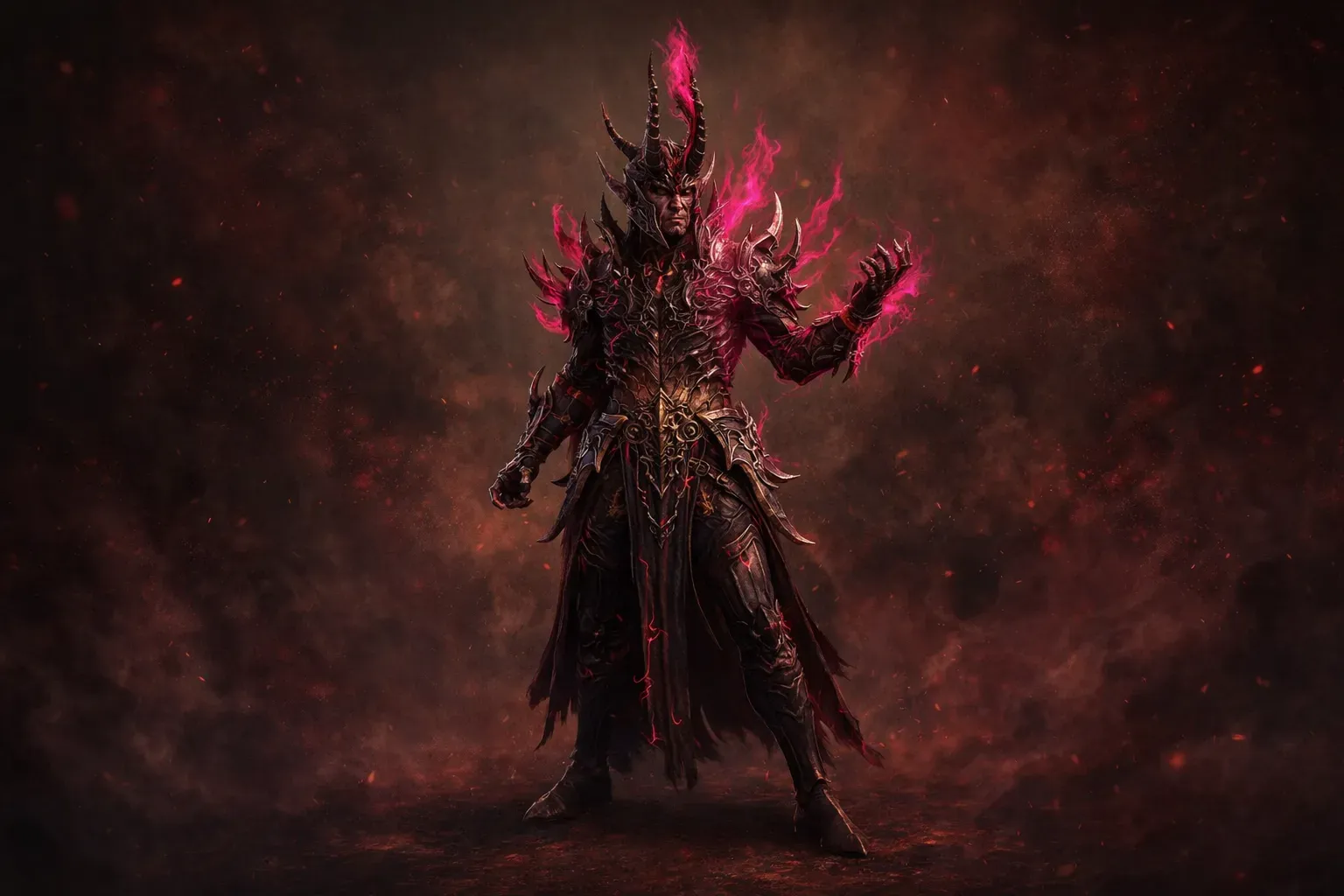
The Warlock introduces a new playstyle centered on resource management and summoned units.
- Uses summoned demons as primary damage source
- Applies debuffs and damage-over-time effects
- Relies on resource conversion mechanics
Within the grim world of the Diablo 4 Lord of Hatred expansion, the Warlock stands out as a class centered around demonology and a far more aggressive casting style. Rather than acting as a traditional backline spellcaster, the Warlock is designed for players who prefer a riskier approach, harnessing demonic powers to deal damage up close and dominate the battlefield.
Class Comparison
| Aspect | Paladin | Warlock |
|---|---|---|
| Role | Frontline / Support | Ranged / Summoner |
| Defense | High | Low–Medium |
| Complexity | Moderate | High |
Endgame Updates in Lord of Hatred
The endgame receives one of the biggest overhauls since Diablo 4 launch, focusing on structured progression and targeted farming.
War Plans System
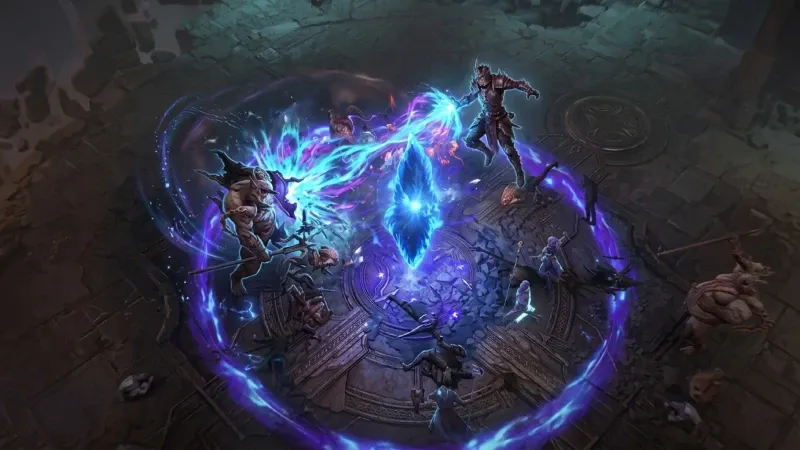
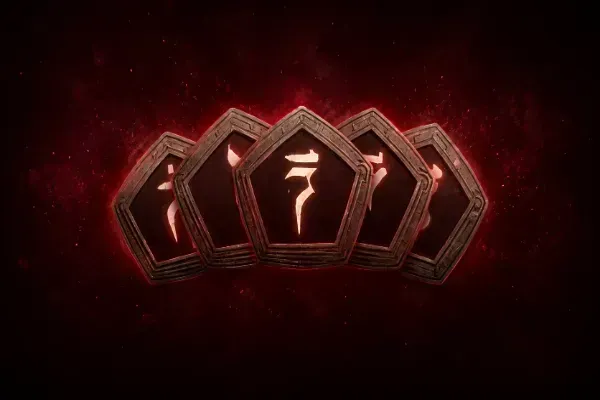
War Plans is a newly introduced endgame progression system that allows players to shape their own advancement path by choosing preferred activities and enhancing them over time. This system gives more control over progression while guiding players toward higher-value rewards through customizable gameplay choices.
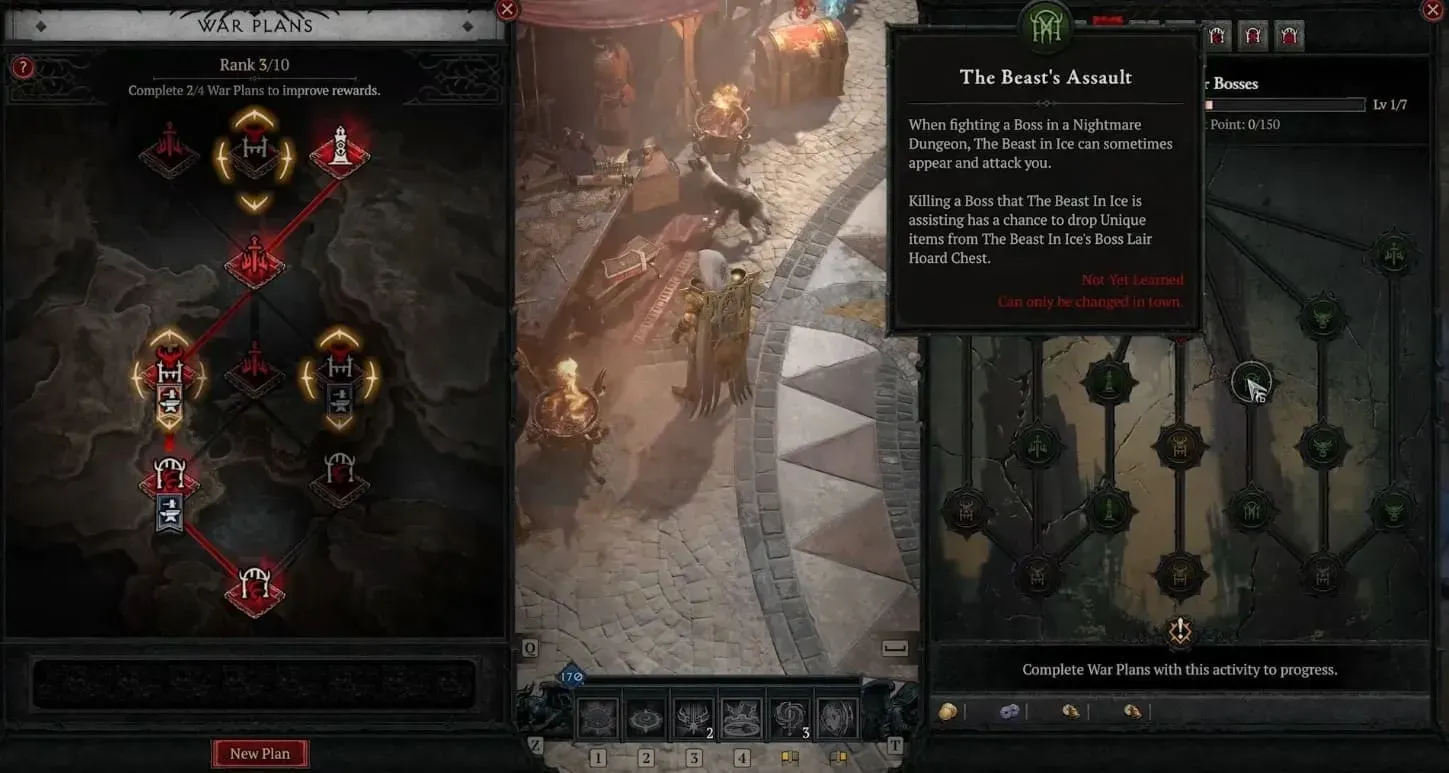
© image from https://www.wowhead.com
War Plans give players the ability to build custom playlists of up to five endgame activities from Diablo 4’s available content, including Helltides, Whispers, Lair Bosses, Nightmare Dungeons, Infernal Hordes, Pit of Artificers, and the Kurast Undercity. By completing these selected activities, players progress through a dedicated system tied to War Plans.
As you advance, you unlock a unique progression tree that allows you to customize your endgame experience. This system lets you modify rewards, adjust enemy behavior, and even combine certain mechanics from different activities, creating a more personalized and flexible gameplay loop.
Echoing Hatred
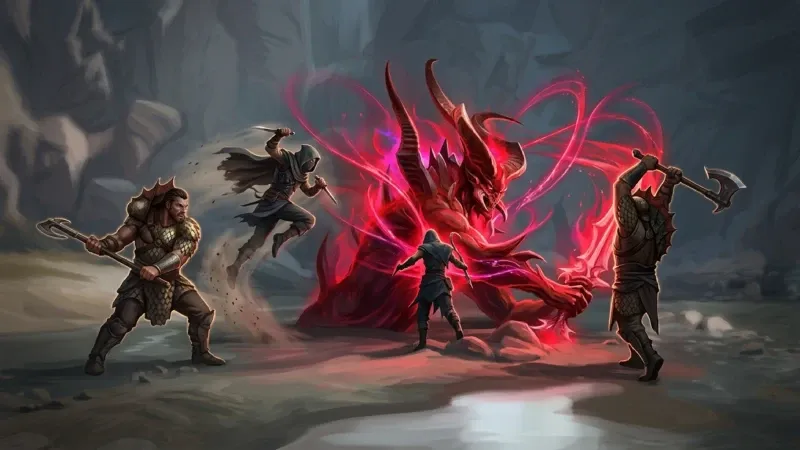
Echoing Hatred is a new endgame activity that sends players into an intense gauntlet of demonic enemies, built to push even the most powerful builds to their limits. Success here depends on your ability to react quickly and adjust to constantly shifting combat situations.
To enter Echoing Hatred, players must obtain Trace of Echoes — a rare resource that drops from various endgame activities. Each run offers a different experience, with randomized enemy types and encounter setups.
As you advance deeper into the challenge, both the difficulty and the rewards scale significantly, making it a high-risk, high-reward activity for experienced players.
Endgame Changes Overview
| Feature | Impact |
|---|---|
War Plans | Controlled progression |
Echoing Hatred | High-end difficulty scaling |
New Hub | Centralized endgame access |
Major Gameplay and System Changes
Beyond adding new regions, the Diablo 4 Lord of Hatred expansion introduces several gameplay systems that directly influence build development, loot management, and overall endgame difficulty. These changes not only expand build diversity but also improve the efficiency of everyday gameplay, which is especially important in a game heavily centered around long-term grinding.
The key gameplay mechanics introduced in Diablo 4 Lord of Hatred include:
- Horadric Cube
- Talismans and Charms
- Loot Filter
- Torment Tiers
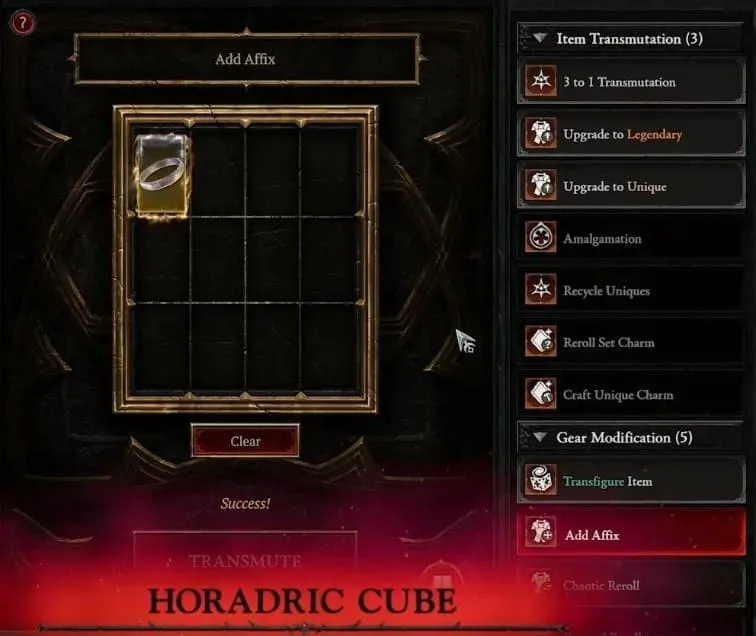
Horadric Cube
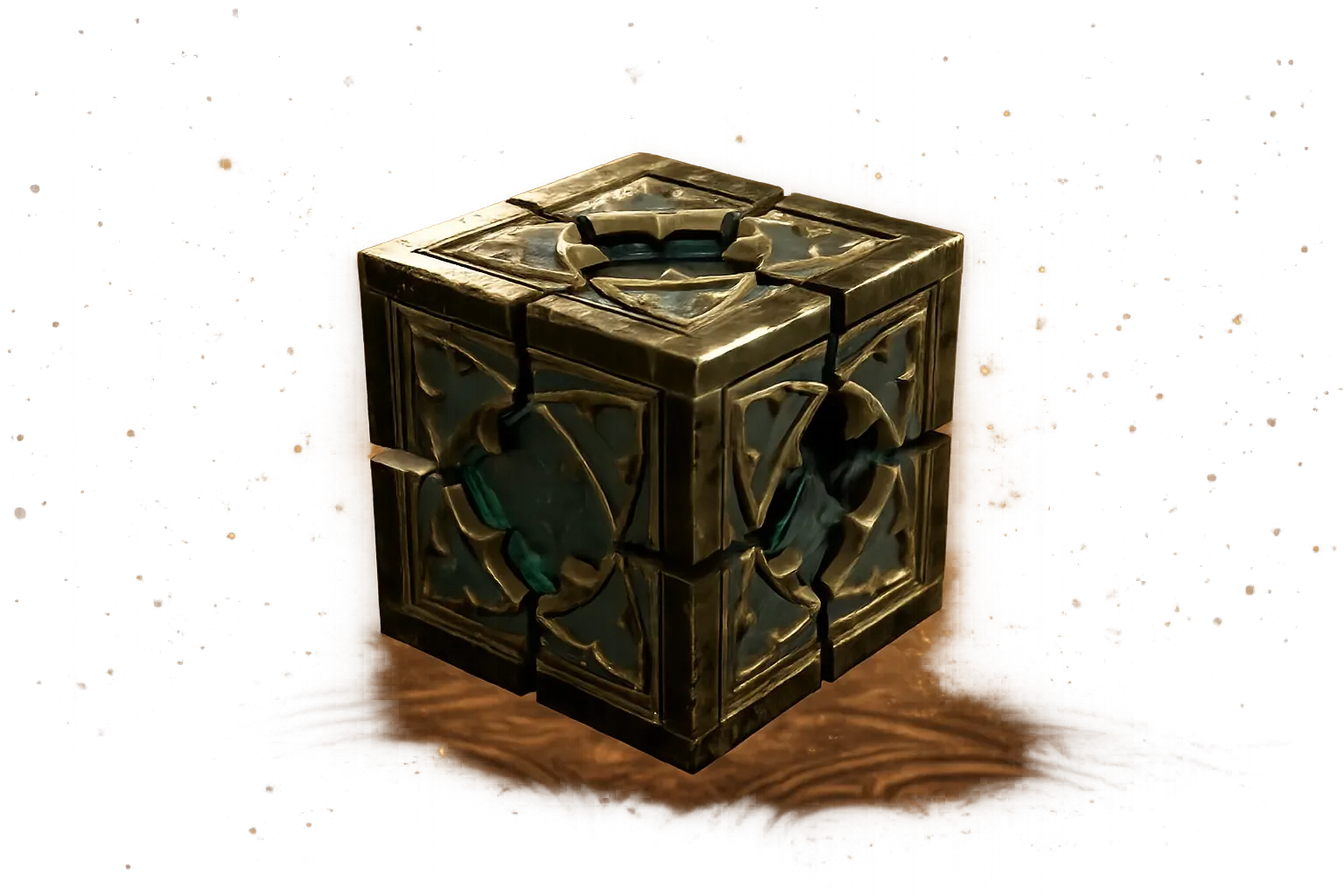
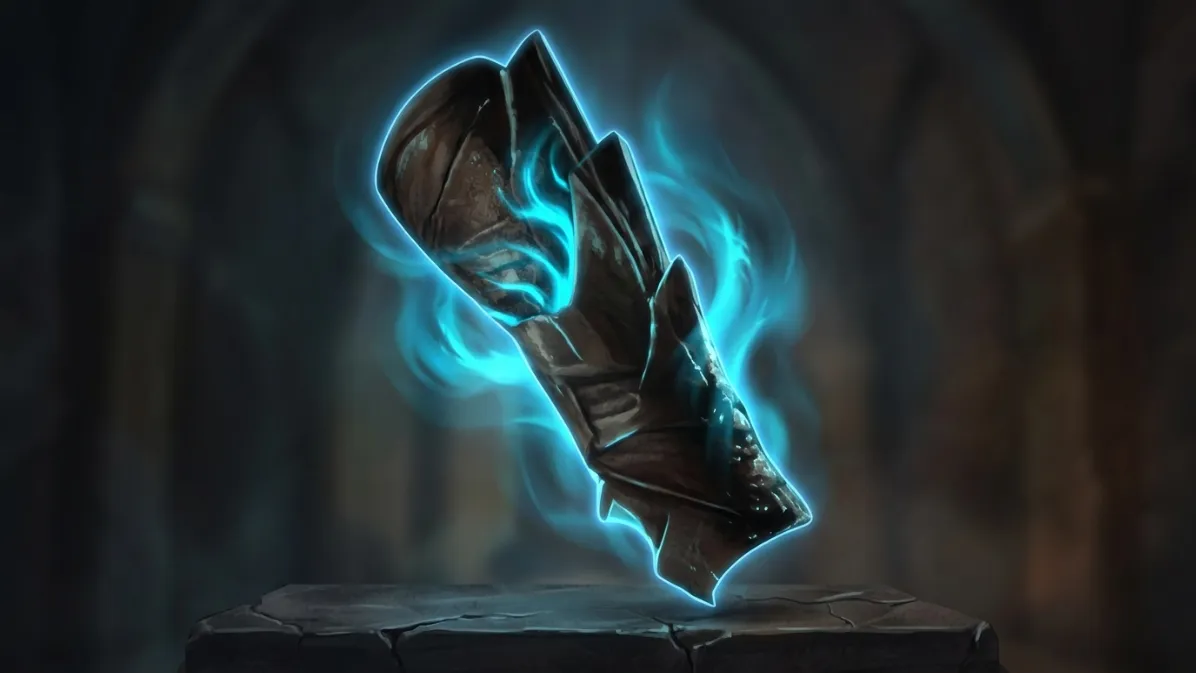
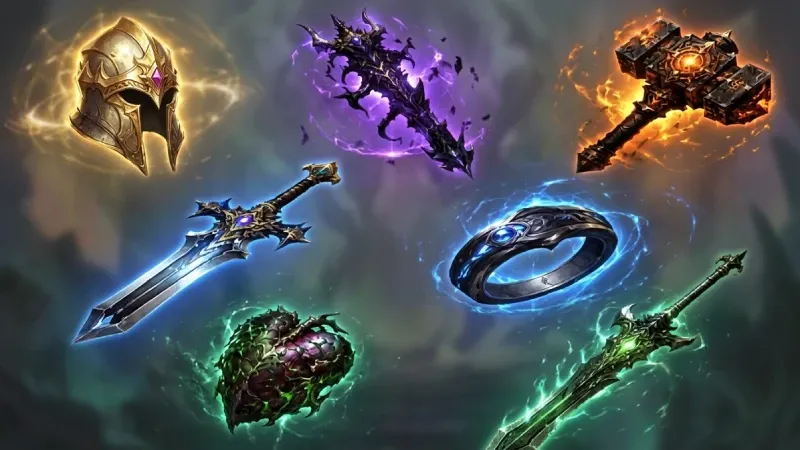
The Talisman system introduces a new layer of character progression by unlocking powerful set-based bonuses that significantly enhance build customization. After obtaining a Talisman, players will begin to find Charms as part of their loot.
Charms can be inserted into the Talisman, activating various set bonuses depending on their combination. These bonuses play a key role in shaping your character’s overall performance.
Charms come in multiple rarity tiers, with Set Charms offering the most impactful effects. These can grant offensive power, defensive boosts, or utility-based advantages, making them a core part of late-game optimization.
Talismans and Charms
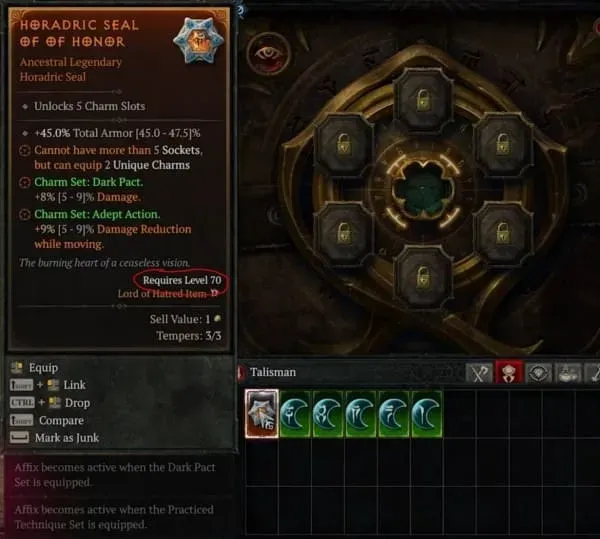
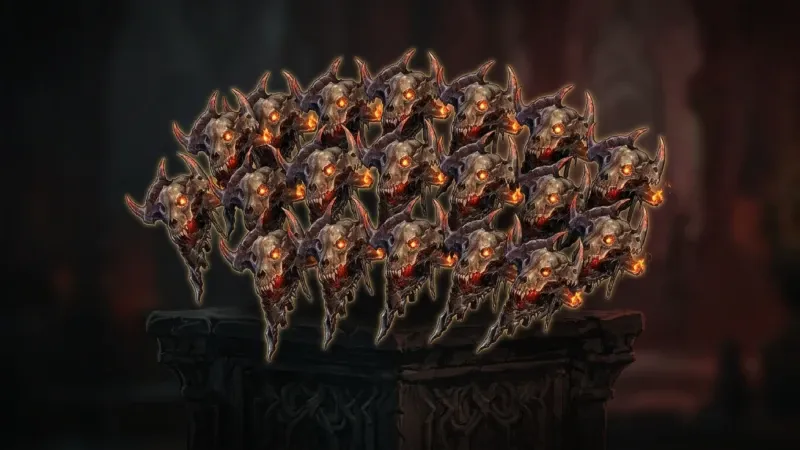
The Talisman system adds a new layer of progression by unlocking powerful set bonuses that allow for deeper, class-defining customization. Once you obtain a Talisman, Charms will begin to appear as part of your loot.
Charms can be socketed into your Talisman, activating different set effects based on their combination. This system gives players more control over how their build evolves.
Charms come in various rarity tiers, with Set Charms providing the most impactful bonuses. These effects can enhance offensive power, improve defenses, or add useful utility, making them an important part of endgame optimization.
Loot Filter
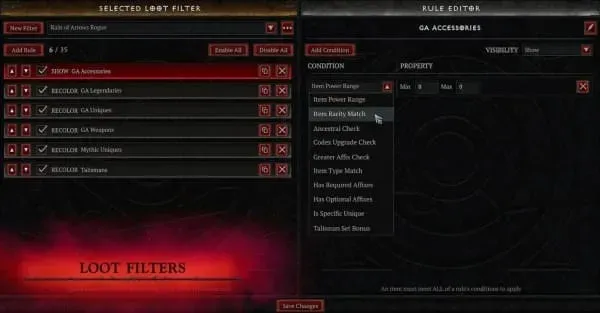
The long-awaited Loot Filter feature is designed to help players focus on the items that actually matter. By customizing how loot appears on the ground, it becomes much easier to identify valuable drops at a glance.
Similar to systems found in other ARPGs, a loot filter allows you to control both visibility and presentation. You can highlight items with specific attributes or hide gear that does not meet your criteria, reducing clutter and improving overall efficiency while farming.
Torment Difficulty Expansion
The Lord of Hatred expansion introduces eight additional Torment difficulty levels, bringing the total to 12 Torment Tiers and 16 overall difficulty settings. According to Blizzard, these new tiers are not intended to surpass the challenge of the Pit but instead expand scaling across other endgame activities that were previously limited, such as Infernal Hordes.
In practice, this means that more areas of the game can now scale beyond Torment 4, reaching difficulty levels comparable to higher Pit tiers. This change adds more depth to progression and encourages players to continue pushing their builds further each season.
However, there is also a potential downside. As more players move toward higher Torment levels, lower and mid-tier difficulties may become less populated. This can make shared activities like World Boss encounters harder to complete due to fewer active players in those tiers.
How Lord of Hatred Changes Diablo 4 Gameplay
This expansion shifts Diablo 4 toward a more structured and strategic ARPG experience:
Build Customization - New systems significantly increase the number of viable builds and optimization paths.
Difficulty Scaling - Players will need optimized builds to succeed in new high-tier content.
Farming Efficiency - Loot filters and War Plans allow targeted farming, reducing randomness.
FAQ
What is Diablo 4 Lord of Hatred?
Diablo 4 Lord of Hatred is an upcoming Diablo 4 expansion that adds a new region, two new classes, additional endgame content, and several new gameplay systems.
When does Diablo 4 Lord of Hatred release?
Diablo 4 Lord of Hatred releases on April 28, 2026.
What new classes are coming in Lord of Hatred?
Lord of Hatred adds two new classes: Paladin and Warlock. Paladin is the holy melee class, while Warlock is the dark mage.
What is Echoing Hatred?
Echoing Hatred is a rare high-stress endgame activity that requires the Trace of Echoes to access. It challenges players to survive increasingly difficult waves of enemies for better rewards.
What is the Horadric Cube in Diablo 4 Lord of Hatred?
The Horadric Cube is a new system focused on crafting and item shaping, allowing players to experiment with resources and gear for their build.
Do Talismans and Charms matter in Lord of Hatred?
Yes. Talismans and Charms add another layer of build customization by providing offensive, defensive, and utility benefits.
Does Diablo 4 get a Loot Filter with Lord of Hatred?
Yes. The expansion adds a Loot Filter so players can mark useful gear and hide less relevant drops.