
 ~8 min
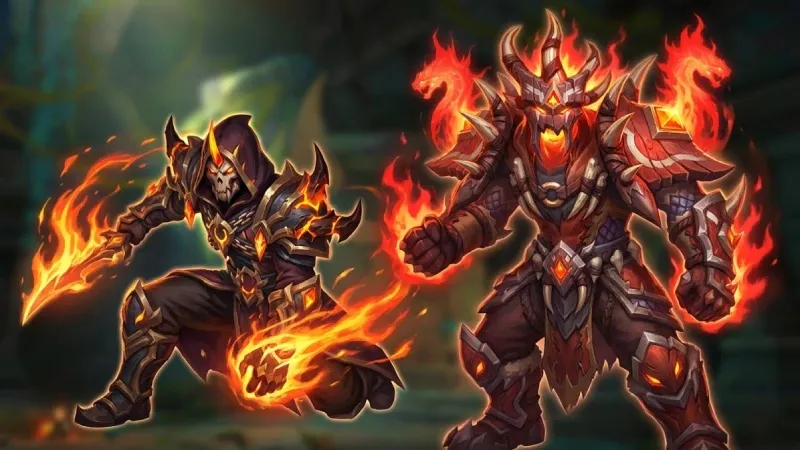
Healing in WoW Midnight Season 1 is less about “perfect throughput” and more about control: keeping your group stable through sustained pressure, handling movement cleanly, and timing your big cooldowns when damage spikes actually matter.
This tier list is written for Season 1 PvE (raids + Mythic+ dungeons). You’ll also find practical advice for delves and open-world play, because most players gear and practice there first.
How This Tier List Is Rated
- Stability: how well a spec saves a group when things go wrong.
- Cooldown impact: how much value you get from major healing tools.
- Mobility and consistency: how hard it is to heal while moving and reacting.
- Utility: damage reduction, group support, dispels, and unique tools.
- Ease of execution: how much “setup” a spec needs to perform well.
Important: tier lists are not a “you must play this” rule. If you play a lower-tier healer well, you will outperform a higher-tier healer played poorly.
Midnight Season 1 Healer Tier List
| Tier | Specs | Best For |
|---|---|---|
| S | Restoration Druid | Reliable raid coverage, strong dungeon pacing, excellent recovery tools |
| A | Discipline Priest, Restoration Shaman | High impact cooldowns, strong “planned healing” and group stabilization |
| B | Mistweaver Monk, Holy Paladin, Preservation Evoker, Holy Priest | Viable everywhere, but more sensitive to movement, setup, or group coordination |
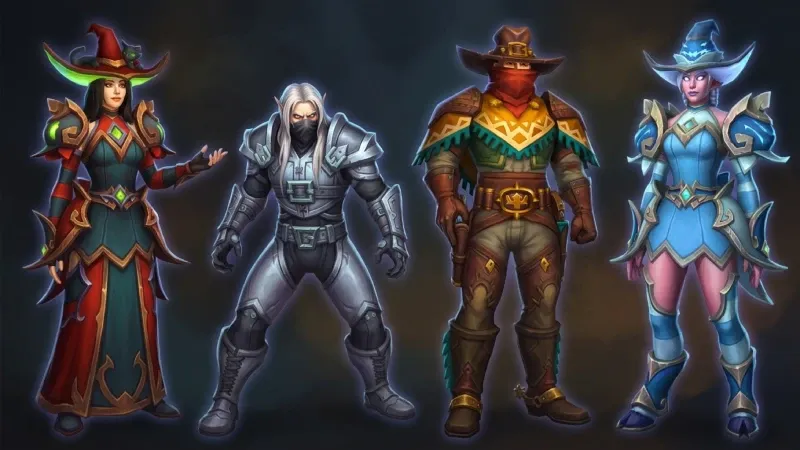
 Restoration Druid
 Discipline Priest,
  Restoration Shaman
  Mistweaver Monk,
  Holy Paladin,
  Preservation Evoker,
  Holy Priest
S Tier — Restoration Druid
Restoration Druid sits at the top because it delivers the most consistent “always-on” healing while staying flexible during movement-heavy mechanics. Your baseline kit is built around keeping multiple allies safe at once, then extending value when damage ramps up.
Why It’s S Tier
- Excellent raid coverage: healing-over-time effects keep the whole raid stable through steady pressure.
- Strong dungeon pacing: you can heal while repositioning and keep momentum between pulls.
- Great recovery: you can stabilize after mistakes without needing perfect setup.
Key Spell Links
- Rejuvenation — your baseline coverage tool.
- Wild Growth — your fast “group stabilize” button.
- Flourish — converts good preparation into huge value during pressure windows.
Practical Tips (What Actually Improves Your Results)
- Pre-heal before damage: Restoration Druid shines when your healing is already rolling as damage begins.
- Do not over-blanket: in dungeons, keep coverage on the tank and “likely targets,” then react to the rest.
- Save your extender for moments where multiple effects are active on multiple players (not for light damage).
Common Mistakes
- Using your big extension tool when only one or two effects are running.
- Trying to “outheal panic damage” without first stabilizing positioning and interrupts.
- Dropping group healing too early in raids—steady pressure kills groups slowly, not instantly.
A Tier — Discipline Priest
Discipline Priest is A tier because it brings huge value when healing is planned. You prevent deaths with absorption and convert damage into healing windows. When played cleanly, discipline provides some of the most “fight-defining” moments in both raids and Mythic+ dungeons.
Why It’s A Tier
- High-impact saves: strong prevention tools can stop wipes before they happen.
- Excellent burst windows: when you prepare properly, you can erase dangerous damage patterns.
- Great group contribution: disciplined damage contributes to faster clears while maintaining healing output.
Key Spell Links
- Power Word: Shield — prevention and stabilization.
- Penance — flexible burst for damage or healing.
- Power Word: Radiance — your key “window starter” for heavy pressure moments.
Practical Tips
- Think in windows: Discipline Priest is strongest when you plan for “damage phases,” not when you spam reactively.
- Do not chase perfection: a “good enough” setup used on time is better than a perfect setup used too late.
- Keep the group stable first: prevention tools are still healing—use them to buy time.
Common Mistakes
- Holding cooldowns “for later” and then dying with them unused.
- Trying to outheal sudden damage without first preventing the next hit.
- Overcommitting to damage while the group is already collapsing.

A Tier — Restoration Shaman
Restoration Shaman earns A tier because of its group stabilization tools and powerful cooldown kit. In coordinated groups, shaman can turn dangerous overlaps into manageable moments—especially in raid environments.
Why It’s A Tier
- Excellent “group reset” cooldowns: the kit is built to recover after spikes.
- Strong raid value: consistent tools for stacked healing and controlled stabilization.
- Clear decision making: when damage happens, you know exactly which button solves the problem.
Key Spell Links
- Riptide — your core maintenance heal.
- Spirit Link Totem — one of the strongest “prevent wipe” buttons in the game.
- Healing Tide Totem — dependable group sustain during heavy pressure.
Practical Tips
- Totem placement matters: your power is real only if allies stand in it.
- Use your big tools early enough that the group survives the full damage window (not after people die).
- Keep healing flowing while moving: reposition first, then stabilize—do not “freeze” trying to cast in a bad spot.
Common Mistakes
- Dropping key totems where the group will not stand.
- Saving Spirit Link Totem for a “perfect moment” and losing the pull instead.
- Overhealing early and being dry when real damage starts.
B Tier — Mistweaver Monk
Mistweaver Monk is fully viable, but it is more sensitive to “wrong-time” globals and movement disruptions. When played cleanly, it offers strong single-target stabilization and good group recovery, especially if your group respects your healing rhythm.
Key Spell Links
- Renewing Mist — your core spread healing tool.
- Enveloping Mist — strong focused healing with a clear “save target” identity.
What Improves Results
- Be decisive: pick the target that must live, commit, then return to group healing.
- Do not waste globals: Mistweaver Monk’s power dips hard if you spam “almost useful” casts.
B Tier — Holy Paladin
Holy Paladin remains a strong healer, but it is often limited by positioning demands and group pacing. If your group plays around your strengths, you can deliver excellent single-target stability and meaningful support.
Key Spell Links
- Holy Shock — your fast reaction heal and core momentum spell.
- Beacon of Light — stabilizes a priority target while you heal others.
What Improves Results
- Stay in range of your team: losing casts to positioning is the fastest way to fall behind.
- Use support tools proactively: prevention and mitigation often save more than raw healing.
B Tier — Preservation Evoker
Preservation Evoker has powerful tools, but its value depends heavily on timing and positioning. If you like “planned healing with big moments,” evoker can feel amazing—especially in coordinated groups.
Key Spell Links
- Dream Breath — a strong multi-target healing tool when used at the right time.
- Rewind — excellent recovery when the group takes a big hit.
What Improves Results
- Play around positioning: your best heals reward good angles and group awareness.
- Use recovery tools before a second hit lands: many wipes happen to “damage overlap,” not a single spike.
B Tier — Holy Priest
Holy Priest is straightforward and effective, but it can struggle when fights require constant movement and frequent interrupts. In raids, holy priest can still shine through clean cooldown timing and disciplined spell choice.
Key Spell Links
- Holy Word: Serenity — powerful single-target stabilization.
- Holy Word: Sanctify — strong healing when allies can stack reliably.
What Improves Results
- Use your holy words on cooldown when pressure exists: holding them too long is wasted value.
- Respect movement mechanics: reposition first, then commit to longer casts.
Stats and Gearing (Simple, Safe Rules)
Stat priorities shift with tuning, but these rules stay reliable:
- If you frequently fall behind during sustained damage: value faster casting and smoother healing cadence.
- If you struggle to stabilize sudden spikes: value tools that increase burst impact and cooldown value.
- If you run out of mana early: reduce unnecessary casts and avoid overhealing before you blame your gear.
Reminder: “more healing” is often a rotation and timing issue, not a gear issue.
UI and Addons That Actually Help Healers
- Raid frames: pick one solution and learn it deeply (examples: Cell, VuhDo).
- Boss timers: BigWigs or Deadly Boss Mods.
- Cooldown tracking: OmniCD (so you know what your group can press next).
- WeakAuras: WeakAuras for your key cooldown timers and proc reminders.
- Damage/healing analysis: Details! (use it to learn patterns, not to chase numbers).
Practical Healer Checklist (Use This Every Run)
- Track upcoming damage mechanics, not only health bars.
- Use a major cooldown early enough that it prevents deaths (not after).
- Move first, then heal—bad positioning ruins every spec.
- Do not spend mana “because you can.” Spend mana when it prevents a wipe.
- If the group is dying repeatedly, identify the cause: missing interrupts, standing in effects, or no defensive cooldown usage.
FAQ
What is the best healer in WoW Midnight Season 1?
Restoration Druid is the most consistent overall pick because it handles sustained pressure well and stays effective during movement-heavy fights.
Are A-tier healers worse than S-tier?
Not “worse” in a practical sense. Discipline Priest and Restoration Shaman can feel even stronger in coordinated groups, but they are more sensitive to timing and group behavior.
Can I clear raids and Mythic+ dungeons with a B-tier healer?
Yes. B-tier specs are absolutely viable. They simply require cleaner positioning, stronger timing, or better group coordination to reach the same consistency.
What is the biggest reason groups die in Season 1?
Most wipes come from avoidable damage and missed interrupts, not from “insufficient healing.” Fixing mechanics usually increases success faster than changing specs.