
 ~8 min
Tanking in WoW Midnight Season 1 is not just “how much damage you can take.” The best tanks are the ones that keep damage predictable, maintain control in chaotic pulls, and still feel safe when mechanics overlap.
This guide focuses on raid tanking and Mythic+ dungeons, with a practical note on solo play (delves, quests, open world) because that’s where many tanks gear and practice first.
Key Takeaways (Fast Summary)
- S Tier tanks provide the most consistent stability and damage smoothing across both raids and Mythic+ dungeons.
- A Tier is a high-value pick with excellent mobility and strong self-sustain, but can be more timing-dependent.
- B Tier tanks are fully playable, but tend to be more sensitive to healer strain, downtime, or “wrong moment” cooldown usage early in the season.
How This Tank Tier List Is Rated
- Damage smoothing: how well a tank converts lethal spikes into manageable pressure.
- Self-sustain: how much you can stabilize yourself when healers are busy or forced to move.
- Cooldown coverage: how reliably you have a defensive answer to every dangerous window.
- Control and utility: interrupts, crowd control, group support, and how much you protect your team.
- Real-play consistency: performance in messy runs, not only in perfect conditions.
Note: early-season rankings can shift with tuning. But playstyle strengths (damage smoothing, mobility, utility) remain useful long-term.
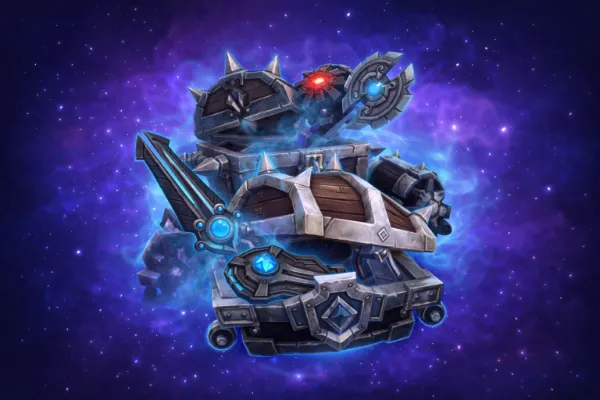
Midnight Season 1 Tank Tier List
| Tier | Specs | Why They Rank Here |
|---|---|---|
| S | Brewmaster Monk, Guardian Druid | High stability, excellent damage smoothing, reliable survival across many scenarios |
| A | Vengeance Demon Hunter | Top-tier mobility and self-sustain, very strong in fast dungeon pacing |
| B | Protection Warrior, Protection Paladin, Blood Death Knight | Playable and viable, but more timing-sensitive and less forgiving in early Season 1 conditions |
 Brewmaster Monk,
  Guardian Druid
  Vengeance Demon Hunter
 Protection Warrior,
  Protection Paladin,
  Blood Death Knight
Best Tanks by Content Type
Best for Raids (Progression Safety)
- Brewmaster Monk — smooth damage profile and stable raid survivability.
- Guardian Druid — straightforward durability and strong physical mitigation profile.
Best for Mythic+ Dungeons (Tempo and Control)
- Vengeance Demon Hunter — mobility, snap threat, and strong self-sustain in fast pulls.
- Brewmaster Monk — handles dangerous pull spikes extremely well.
Best for Beginners
- Guardian Druid — clean, readable defensive gameplay with strong baseline durability.
S Tier — Brewmaster Monk
Brewmaster Monk ranks S tier because it turns scary damage spikes into steady, healable pressure. Healers love tanks that feel “predictable,” and Brewmaster is one of the best at creating that stability.
Why It’s S Tier
- Excellent damage smoothing: spikes are less likely to delete you instantly.
- Strong control of danger windows: you can reduce risk with proactive decisions.
- Reliable in messy runs: it stays stable even when pulls go wrong.
Key Spell Links
- Purifying Brew — your core tool for converting dangerous pressure into manageable damage.
- Celestial Brew — a strong defensive button for heavy incoming damage windows.
Practical Tips
- Purify with intent: do not press it on cooldown blindly—use it when pressure is rising.
- Save a defensive for overlap moments: many deaths happen to “two mechanics at once,” not a single hit.
- Keep pulls controlled: Brewmaster is strongest when you reduce chaos and keep damage predictable.
Common Mistakes
- Overusing defensives early, then having nothing for real danger.
- Purifying too late after you already dropped dangerously low.
- Pulling too aggressively without planning control and interrupts.
S Tier — Guardian Druid
Guardian Druid is S tier because it is durable, consistent, and forgiving. It handles physical damage well, has clear defensive buttons, and performs reliably without needing perfect timing every single pull.
Why It’s S Tier
- Beginner-friendly stability: very readable defensive flow.
- Strong baseline mitigation: especially valuable in early gear.
- Reliable recovery: you can stabilize after mistakes more easily than many other tanks.
Key Spell Links
- Ironfur — core physical mitigation and “stay safe” tool.
- Frenzied Regeneration — strong self-healing for recovery after spikes.
Practical Tips
- Stay ahead of damage: use mitigation before you are already low.
- Use self-healing as recovery: it is strongest when it prevents a second death after the first hit.
- Keep movement clean: reposition early so healers can keep line of sight and players can avoid damage.
Common Mistakes
- Trying to “heal back” without first reducing incoming damage.
- Overpulling and forcing the group to fight without interrupts.
- Holding recovery tools too long and dying with them unused.
A Tier — Vengeance Demon Hunter
Vengeance Demon Hunter is A tier because it is one of the best tanks for fast dungeon pacing. Mobility and self-sustain let you keep tempo high, control pulls, and recover quickly when the run becomes chaotic.
Why It’s A Tier
- Top-tier mobility: excellent for repositioning and controlling dangerous pulls.
- Strong self-sustain: can stabilize without always relying on external healing.
- Great dungeon feel: fast pace and snap threat make Mythic+ dungeons smoother.
Key Spell Links
- Demon Spikes — core mitigation for dangerous physical windows.
- Fiery Brand — strong damage reduction for high-risk targets or pull moments.
Practical Tips
- Use mobility to prevent damage: the safest hit is the one that never lands.
- Plan mitigation coverage: chain defensives across a pull instead of stacking everything at once.
- Respect magic damage moments: many dungeon deaths come from magic spikes, not melee swings.
Common Mistakes
- Using all defensives instantly, then having none for the second half of the pull.
- Outrunning your healer’s line of sight.
- Pulling aggressively without having interrupts and control planned.
B Tier — Protection Warrior
Protection Warrior is B tier here: it can be very strong, but early Season 1 tanking tends to punish downtime and poor timing. When you are geared and play cleanly, warrior feels great. When things are messy, it can feel less forgiving.
Key Spell Links
- Shield Block — key physical mitigation tool for heavy melee windows.
- Ignore Pain — damage smoothing and survival buffer.
What Improves Results
- Rotate mitigation properly: use your tools to cover the entire pull, not only the start.
- Control pull size: Protection Warrior often prefers structured pulls over chaotic “everything at once” runs.
B Tier — Protection Paladin
Protection Paladin is B tier in this snapshot: still viable, but early Season 1 often exposes weaknesses if cooldowns are mismanaged. The spec can feel amazing with clean play and strong group synergy—but it is less forgiving if your timing is off.
Key Spell Links
- Shield of the Righteous — core mitigation and survival uptime tool.
- Ardent Defender — a high-impact “save me” defensive for lethal windows.
What Improves Results
- Do not waste defensives early: paladin lives or dies by proper timing.
- Use utility proactively: many runs are saved by preventing damage, not by healing it later.
B Tier — Blood Death Knight
Blood Death Knight is B tier because it can feel very strong in experienced hands, but it is one of the most timing-sensitive tanks. When played correctly, it is difficult to kill. When played poorly, it can drop suddenly and force heavy healer panic.
Key Spell Links
- Death Strike — your primary recovery tool and the heart of the spec’s survival.
- Vampiric Blood — powerful defensive and recovery amplifier for dangerous windows.
What Improves Results
- Use recovery after real hits: Blood DK often wants to respond to damage correctly, not panic early.
- Know when you are truly in danger: the spec punishes “wrong moment” buttons more than most tanks.

Tank Checklist (Use This Every Run)
- Plan pulls so your group can interrupt and control priority enemies.
- Use defensives early enough to prevent deaths, not after you are already at critical health.
- Keep line of sight for your healer—reposition without outrunning support.
- Track enemy dangerous casts and avoid taking “free damage” from missed interrupts.
- Do not turn every pull into a survival test—structured pacing clears faster long-term.
Progression Links (NextTier)
If you want to get raid-ready faster or prepare for Season 1 progression, these pages can help:
- Leveling — get to max level faster and start gearing sooner.
- Quests & Farming — efficient prep for early-season requirements.
- Raids — overview of raid-related services.
Midnight raid-specific pages:
FAQ
What is the best tank in WoW Midnight Season 1?
Based on this tier list, the top picks are Brewmaster Monk and Guardian Druid because they provide the most consistent stability and damage smoothing.
Is Vengeance Demon Hunter good for Mythic+ dungeons?
Yes. Mobility and self-sustain make it one of the strongest tempo tanks for Mythic+ dungeons, especially in fast-paced groups.
Are B-tier tanks unplayable?
No. They are fully viable, but they tend to be more timing-sensitive early in the season and can feel less forgiving in chaotic runs.
What is the biggest reason tanks die early in a season?
Most deaths come from cooldown mismanagement and avoidable damage (missed interrupts, standing in effects, pulling beyond control tools), not from “lack of gear.”